

















Gene Therapy
Latest News

Advertisement
CME Content
Advertisement


Insights from a genome-wide association study identify novel genetic loci

ATSN-201 was given regenerative medicine advanced therapy designation to treat X-linked retinoschisis, for which there currently are no approved treatments.

The new data builds upon previously reported 6- and 12-month positive results from adult patients treated in the same study.
In celebration of Ophthalmology Times 50th anniversary, we asked leading experts in the field what they see as the biggest innovation in ophthalmology in the last 5 decades.
ENCELTO is the first and only FDA-approved treatment for MacTel.

Neurologist warns about recurrent optic neuritis attacks.

ENCELTO is the first and only FDA-approved treatment for MacTel.
Emerging technologies, such as remote tonometry and genetic risk scoring, are revolutionizing glaucoma care by enabling earlier detection, personalized management, and more efficient use of resources.

Researchers indicated that pediatric patients with Leber congenital amaurosis experienced improvements in vision.
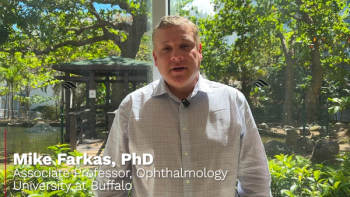
At the Envision Summit 2025 in San Juan, Puerto Rico, Mike Farkas, MD, discussed gene therapy research for retinal degenerations that sidetracks the current "status quo" therapies of AAV-based replacement and CRISPR-Cas9 genome editing.

Patients who underwent bilateral treatment experienced a higher rate of clinically relevant recovery, the authors reported.

The University of Bristol research team used animal models to compare patient responses to AAV therapy, studying male and female eye cells across different age groups (young, middle-aged and older patients)

Previous research has shown that voretigene neparvovec administered subretinally early in childhood for RPE65-mediated inherited retinal dystrophy achieved encouraging efficacious results.

Laru-zova is a gene therapy currently being investigated for the treatment of patients with X-linked retinitis pigmentosa.

The companies will work together by using the codon-optimized BBS1 AAV9 vector to minimize the vision loss caused by the genetic defects in the BBS1 gene.

The funding will support activities like formal pharmacology and toxicology testing.

ViGeneron also received approval for dose escalation in the ongoing phase 1b clinical trial.

Alon Kahana, MD, PhD, discusses the role of interleukin-6 in thyroid eye disease and the potential of tourmaline Bio's IL-6 inhibitor therapy.

Options empower patients and providers to decrease treatment burden.

The company is advancing its Phase I/II trial and exploring accelerated approval pathways in the US and Europe.

In the LIGHTHOUSE study, Atsena Therapeutics is evaluating ATSN-201 gene therapy for X-linked retinoschisis, leveraging AAV.SPR capsid for central retina transduction without foveal detachment risks.

USC is leading a research team aiming to better understand retinitis pigmentosa and inform future treatments.

VisiRose, a company formed in collaboration with Provectus Biopharmaceuticals and the University of Miami Miller School of Medicine’s Bascom Palmer Eye Institute, is advancing Rose Bengal Photodynamic Antimicrobial Therapy (RB PDAT), a non-invasive treatment for infectious keratitis, leveraging light-based technology and addressing antimicrobial resistance to improve outcomes for patients with severe eye infections globally.
Advertisement
Advertisement
Trending on Eye Care Network - Ophthalmology Times
1
Alvotech files first known aflibercept 8 mg biosimilar with EMA
2
FDA approves phentolamine ophthalmic solution 0.75% (Ryzumvi) for presbyopia
3
FDA approves subcutaneous Enspryng for TED
4
Beyond slowing atrophy: Optogenetic therapy targets vision lost to GA
5