

Apellis Pharmaceuticals and EyePoint Pharmaceuticals are both scheduled to present at the conference.
Apellis Pharmaceuticals and EyePoint Pharmaceuticals are both scheduled to present at the conference.
The investigators set out to identify a correlation between the TyG index in CRAO in patients who had been newly diagnosed with the disease.

Zervimesine is an investigational oral, once-daily pill being developed for the treatment of CNS diseases, including Alzheimer disease and dementia with Lewy bodies.

These tools help fill a gap that current technologies cannot achieve as effectively.

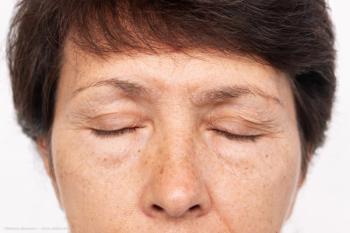
The aim of the study was to assess the effect of a modified TCLB procedure that added deframing and decompression maneuvers to the LOFC and its support structures to obtain better results for both the lower and upper lids.

Researchers conducted a first-of-a-kind cross-sectional study at the outpatient clinic of the Eye Hospital of China Academy of Chinese Medical Sciences from March to June 2024

This follows successful Phase 1 results, which demonstrated a favorable safety profile for BI 771716 across both single and multiple intravitreal doses.
The research analyzed the 1-year outcomes of 132 eyes, evaluating mean IOP, baseline changes, medication reduction, and stratifying the results by race (African American vs Caucasian) and glaucoma severity (mild, moderate, severe).

The company also reported a positive outcome of an analysis of masked data from its ongoing MAGNIFY Phase 2 trial for zervimesine in adults with GA.
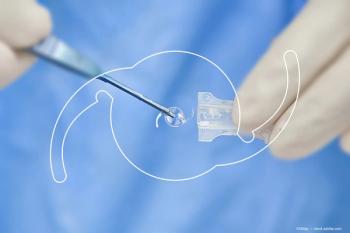
Toric IOLs outperform femtosecond laser-assisted astigmatic keratotomy in reducing postoperative astigmatism and improving UDVA after cataract surgery.

Meibomian glands are critical to the ocular health in that they secrete lipid-rich meibum, which protects the ocular surface by preventing tear film evaporation.

This device is designed to assist healthcare professionals in analyzing fundus images for the early detection of key retinal conditions.
What do ophthalmologists consider the key advancements in treating glaucoma over the last several decades?

The researchers reported a “notable” correlation which could serve as a predictive biomarker
Emerging technologies, such as remote tonometry and genetic risk scoring, are revolutionizing glaucoma care by enabling earlier detection, personalized management, and more efficient use of resources.

If approved, the drug will be branded as LYTENAVA.
We asked ophthalmologists what stands out to them in the history of treating glaucoma and where future treatments might be heading.
The procedure offers a renewed approach to suprachoroidal drainage, with potential for both combined and standalone glaucoma surgery.

In the group of new appointees, the organisation welcomed community members who are passionate about advocacy and education

Researchers indicated that pediatric patients with Leber congenital amaurosis experienced improvements in vision.

The intent is that the board provide strategic guidance and expert insights to support the development of the company’s programs and science.

This year, the European Society of Cataract and Refractive Surgeons has partnered with the Hellenic Society of Intraocular Implant and Refractive Surgery

More respondents reported experiencing sexual harassment than in a survey conducted 5 years earlier

RPESC-RPE-4W is a cell product derived from adult retinal pigment epithelial stem cells.
The Elios procedure increased aqueous humor outflow in all investigated eyes, but further studies are needed to correlate these improvements with its clinical efficacy.
A systematic review and meta-analysis highlights the safety and efficacy of excimer laser trabeculostomy as an implant-free MIGS procedure for managing open-angle glaucoma and ocular hypertension, either alone or in combination with cataract surgery.
At the Envision Summit 2025 in San Juan, Puerto Rico, Sara Wester, MD, discussed the Women Leaders in Eye Health session at the conference and the donation from Orbis that supported the session.
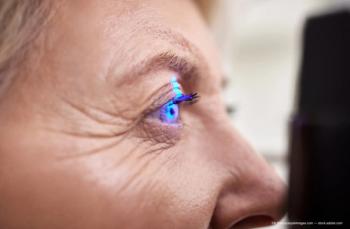
The company announced it has successfully started imaging patients with its first prototype of its device using both near-infrared and green modes.
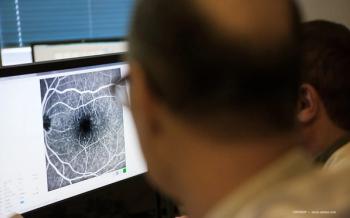
Ophthalmologist offers insights into the value of technology in diabetic retinopathy.