

EYP-1901 shows promising results in reducing treatment burden for diabetic macular edema, offering sustained improvements in vision and safety.
EYP-1901 shows promising results in reducing treatment burden for diabetic macular edema, offering sustained improvements in vision and safety.

Research from the iMIND lab at Duke University.

Boehringer Ingelheim initiates the THULITE study, exploring an oral treatment for diabetic macular edema.

SpaMedica to offer free transport for all NHS cataract patients, supporting community care and reducing health inequalities.


Investigators reported the oral therapy was well-tolerated in trials for early treatment of non-proliferative diabetic retinopathy and associated oedema

Both 6-month trials were randomized, controlled studies that evaluated PER-001 delivered in a slow-release, dissolvable implant injected intravitreally every 6 months.

Boehringer Ingelheim initiates THULITE study, exploring an oral treatment for diabetic macular edema, aimed to improve patient care and convenience.

The company notes that the workforce reduction is expected to provide annual cash compensation cost savings of approximately $15 million and offsets additional expenses expected based on the accelerated timelines for the 4FRONT clinical trials.

LumiThera’s PBM is the only device that has demonstrated meaningful vision improvement compared to baseline for people living with early to intermediate dry AMD.

Retinal imaging and the future of early Alzheimer diagnosis.
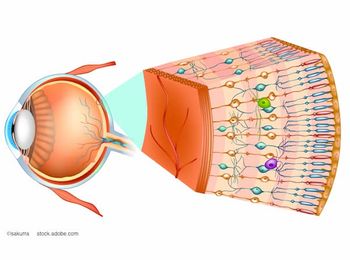
At the 2025 International SPECTRALIS Symposium—And Beyond (ISS), Chauhan discussed how two-photon microscopy enables precise, non-invasive monitoring of retinal ganglion cell function in living subjects.

The imaging innovation project is named after the company's co-founder Gerhard Zinser, PhD

New clinical trials reveal PER-001 as a new treatment for glaucoma and diabetic retinopathy, showing significant vision improvements and safety.
Catch up on this week's highlights in retina.

A new study links urinary metabolites from organophosphorus pesticides to increased age-related macular degeneration risk.
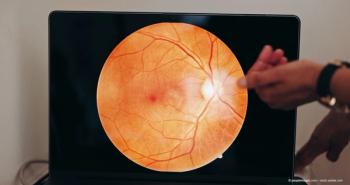
Recapping a recent conversation led by Dilsher S. Dhoot, MD.

AAV204 is a novel adeno-associated virus (AAV) capsid from the AIM capsid library licensed by Abeona from the University of North Carolina at Chapel Hill.

New technologies and a proactive mindset are transforming how glaucoma is diagnosed and treated—and redefining what “controlled” really means.
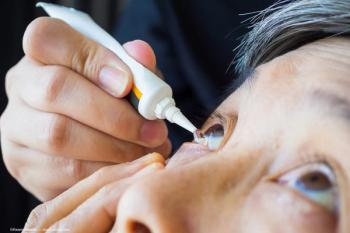
Lupin Limited secures FDA approval for Loteprednol Etabonate Ophthalmic Gel, enhancing treatment options for postoperative ocular inflammation and pain.

In-orbit imaging drives innovation in terrestrial telemedicine, the NASA scientist explained

The program allows patients to undergo genetic testing and high-resolution retinal imaging anonymously and provide insights into both ocular and systemic diseases.
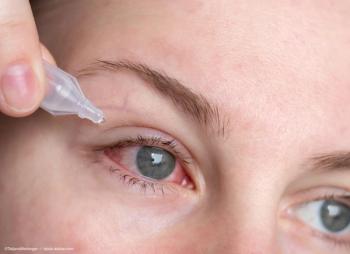
In addition to Prevent Blindness' usual free resources, the organization is providing a dedicated web page, fact sheets, and graphics in English and Spanish.

Remaining questions about DED pertain to geographic considerations, prevalence measures for DED in children and the design of future studies to determine risk factors in patients under 40

A new study demonstrates that handheld nanopore sequencers can rapidly identify eye infection pathogens using only a patient’s tears.

Yesafili is the first biosimilar to Eylea to be approved by Health Canada.

RGN-259 is a thymosin beta-4–based eye drop designed to rival Dompé’s Oxervate, the only FDA-approved prescription eye drop to treat people with neurotrophic keratitis.

Cell and gene therapies in development for unmet needs.

Investigators obtained data from genome‐wide association studies to examine the effects of instant coffee consumption

A new functional classification can help achieve precise vision goals