

Both therapeutics will leverage AGC Biologics’ BravoAAV suspension platform and use an innovative dual AAV vector approach, which splits the therapeutic gene into 2 halves.
Both therapeutics will leverage AGC Biologics’ BravoAAV suspension platform and use an innovative dual AAV vector approach, which splits the therapeutic gene into 2 halves.


The two meetings will be held concurrently from December 4-7 in Florence, Italy.

Discover cutting-edge retinal technologies and treatments at the FLORetina International Congress in Florence, featuring top exhibitors and expert presentations.

Phakic IOLs deliver a “wow” factor to refractive surgery patients, says Matteo Piovella, MD


Both therapeutics will leverage AGC Biologics’ BravoAAV suspension platform and use an innovative dual AAV vector approach, which splits the therapeutic gene into 2 halves.


Expanding accessibility in ophthalmic training does not require expensive, intricate programming, but reasonable, simple actions from senior clinicians

For Jordan M. Graff, MD, FACS, early adoption is about reigniting the thrill of discovery and navigating the rewards, risks, and realities of translating innovation into practice.

HELIOS-3 is a phase 3 registrational program for AXPAXLI (or OTX-TKI) for the treatment of non-proliferative diabetic retinopathy (NPDR).
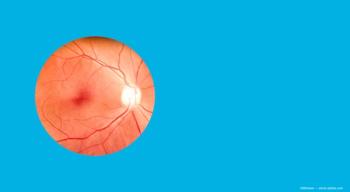
AAO 2025 revealed that true-color widefield imaging, AI-powered home OCT, and refined FAERS analyses are collectively transforming retinal diagnostics into a more precise, continuous, and safety-aware system.


Clinicians must assume responsibility for this common surgical concern

The topical ophthalmic solution is preservative-free and includes dual lubricants—hyaluronic acid and hydroxypropyl methylcellulose—for patient comfort.
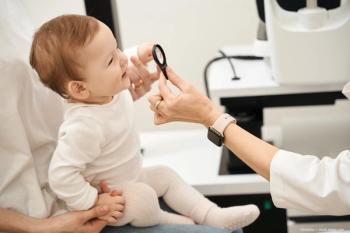
According to the company, this is the first and only single-use kit on the market that includes the diagnostic lens.

Chhablani discusses key findings on retinal vasculitis from the FAERS database, highlighting trends and safety in intravitreal treatments.

Additionally, the FDA approved a monthly dosing option for some patients who may benefit from resuming this dosing schedule across approved indications.

EyePoint Pharmaceuticals' DURAVYU trials for wet AMD receive positive DSMC review, highlighting safety and potential for improved patient outcomes.

The procedure was conducted as part of the company’s ongoing phase 1 clinical trial.
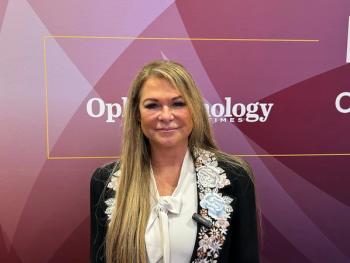
AnnMarie Hipsley, DPT, PhD, explores innovative approaches in ocular biomechanics, shifting focus from lenses to holistic treatments for presbyopia, enhancing vision care.
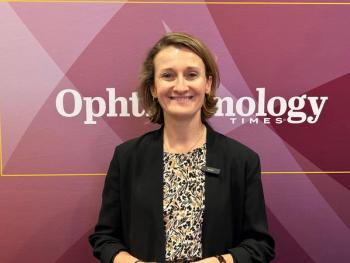


The acquisition includes product candidates MELT-210, MELT-300, and MELT-400 based on the Zydis ODT (oral dissolving tablet) drug delivery platform.
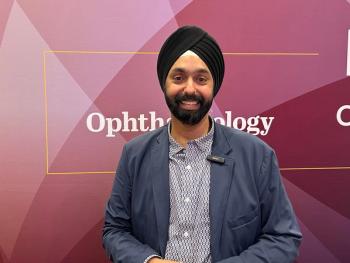
Inder Paul Singh, MD, discusses groundbreaking findings on the iDose implant's efficacy and safety in glaucoma management during cataract surgery.

CoTx-101 is intended for the treatment of retinal vascular diseases, such as wet age-related macular degeneration (wAMD) and diabetic macular edema (DME).

Kenneth C. Fan, MD, discusses promising visual improvements from MCO-010 therapy for Stargardt disease at AAO 2025, highlighting future treatment potential.

RUSH2A is an ongoing natural history study for patients with mutations in the USH2A gene causing Usher syndrome type 2A or nonsyndromic retinitis pigmentosa (RP).

Best disease, also known as vitelliform macular dystrophy, is a rare, inherited retinal condition causing macular degeneration by mutations in the BEST1 gene, leading to progressive vision loss and potentially blindness.

David A. Eichenbaum, MD, FASRS, discusses findings on UBX-1325 for diabetic macular edema, highlighting a shift towards personalized, multi-mechanism therapies.