

The key factors include type, case complexity, and history of diabetic retinopathy/proliferative diabetic retinopathy.
The key factors include type, case complexity, and history of diabetic retinopathy/proliferative diabetic retinopathy.

Retinal changes seen in suspected transient ischaemic attacks are not helpful for predicting ischaemic events.

Dr. Rishi Raj Borah, Country Director with Orbis India, discusses recent research he co-authored showing the top 3 barriers keeping families from accessing cataract treatment for their children in India.

The latest announcement comes after the previously granted ODD for polihexanide in acanthamoeba keratitis by the FDA and EMA.

Mary Durbin, PhD, Chief Scientific Officer at Heru, discusses the benefits and capabilities of the various testing modalities available in 1 wearable platform.
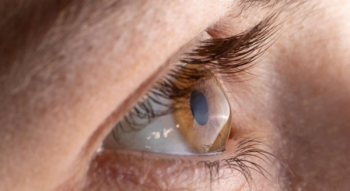
The company’s iLink therapy for the treatment of keratoconus consists of novel single-use drug formulations that are bio-activated by proprietary systems through the delivery of ultraviolet light to the cornea to induce corneal cross-linking designed to strengthen, stabilize and reshape the cornea.

The first FDA-approved bispecific antibody for the eye targets two leading causes of vision loss.
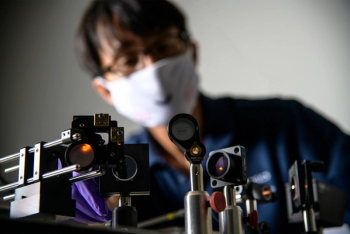
Dongkyun Lang, a biomedical engineering and optical sciences professor, is developing a way to diagnose and treat corneal ulcers that is eight times cheaper and 20 times faster than today's gold standard.
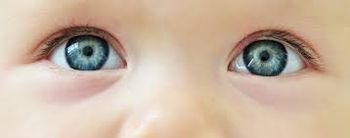
Carol L. Shields, MD, and a group of colleagues conducted a retrospective case series to evaluate the likelihood of germline retinoblastoma in children with solitary unilateral retinoblastoma.

Ultrasonic retinal prosthesis has been achieved by a research group at UCLA. It is a step towards a non-invasive retinal prosthesis that works without invasive eye surgery.

According to Dr Claudia Perez-Straziota, persistent epithelial defects do not have to live up to their name—they can be healed.
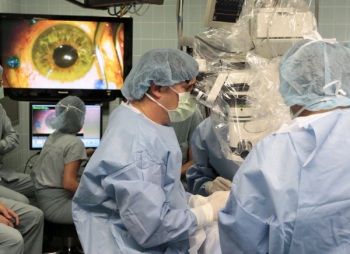
A gift from Bronwyn Bateman, MD, will establish the UCLA Bronwyn Bateman Center for Ocular Genetics at the Stein Eye Institute.

The company’s digital treatment device was proven to be non-inferior to eye patch treatment in a randomly assigned controlled study.

A team of investigators found that sigma 1 receptor, which is known to protect cells from stress, could turn out to be key to the function and survival of the neurons most impacted by glaucoma.

Lisa M. Nijm, MD, JD, previews the program for this April 2 virtual event designed to help young ophthalmologists learn everything they need to know when starting practice.

Russian bombs on Wednesday struck a hospital in Mariupol, Ukraine, damaging several buildings, including an ophthalmology department. Elsewhere, physicians are participating in relief efforts.

Ultrasonic retinal prosthesis has been achieved by a research group at UCLA. It is a step towards a non-invasive retinal prosthesis that works without invasive eye surgery.

Kathryn A. Colby, MD, PhD, discusses Fuchs’ dystrophy symptoms and treatment options as well as the underlying concept of Descemet stripping only surgery and her role in pioneering this technique.

Luis Acaba-Berrocal, MD, of the Illinois Eye and Ear Infirmary in Chicago, worked with a group of colleagues to conduct a multicenter, retrospective, consecutive study of infants with ROP who had been treated with intravitreal anti-VEGF injections between 2008 and 2020 in light of the dearth of real-world data on the topic.

Russian bombs on Wednesday struck a hospital in Mariupol, Ukraine, damaging several buildings, including an ophthalmology department. Elsewhere, physicians are participating in relief efforts.

Investigators studying old flies have gained some new insight into retinal degeneration, seeking an understanding "of the molecular mechanisms that drive age-associated changes and the external and internal factors that influence them.”
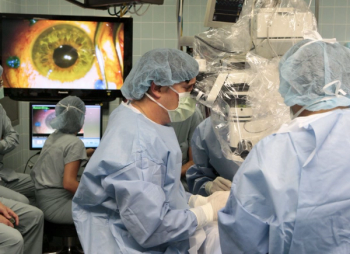
A gift from Bronwyn Bateman, MD, will establish the UCLA Bronwyn Bateman Center for Ocular Genetics at the Stein Eye Institute.
A team of investigators has found that the eye disease is more prevalent than first thought.
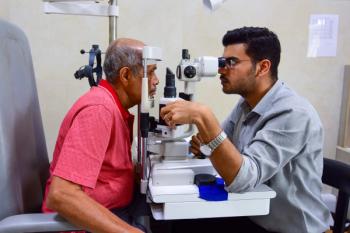
Many low- and middle-income countries lack resources for managing eye health. A pilot project aims to reduce the number of people going blind from untreated glaucoma by raising awareness and increasing engagement with screening and follow-up.
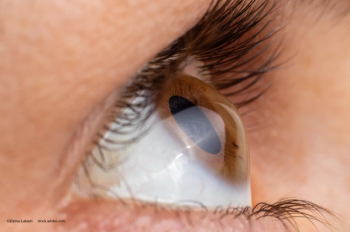
Equally important is that any symptoms of ocular allergies should be addressed to reduce the frequency of eye rubbing.

Russian bombs on Wednesday struck a hospital in Mariupol, Ukraine, damaging several buildings, including an ophthalmology department. Elsewhere, physicians are participating in relief efforts.
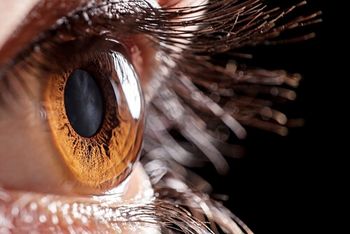
According to Claudia Perez-Straziota, MD, persistent epithelial defects do not have to live up to their name—they can be healed.

Investigators studying old flies have gained some new insight into retinal degeneration, seeking an understanding "of the molecular mechanisms that drive age-associated changes and the external and internal factors that influence them.”

New World Medical notes that the intuitively designed Streamline features ClickPulse technology that targets the eye’s conventional outflow pathway.
A recent study of cannabinol in in vitro and in vivo glaucoma models, demonstrated encouraging results that may address some of the previous challenges associated with cannabis use and may present a new potential therapeutic intervention in the treatment of glaucoma.