

The kidney and eye are structurally and functionally similar, and the diseases of the organs may present similarly and via common pathways.
The kidney and eye are structurally and functionally similar, and the diseases of the organs may present similarly and via common pathways.

Why “acceleration” is the industry keyword for 2024

In this episode, Neda Shamie, MD, and Peter J. McDonnell, MD, discuss the benefits and challenges of implementing the many options from the premium lens pipeline into practice, emphasizing the importance of customization based on patients' lifestyles and expectations, while also addressing concerns and sharing their positive experiences with the evolving technology in the field.

According to the company, OCU410 is a modifier gene therapy product candidate being developed for dry AMD

Sblendorio brings decades of experience in the ophthalmic industry to his position on the Nanoscope board as the company continues to move forward in their commitment to retinal diseases.

Additional testing is needed to ensure accuracy across different groups.

LambdaVision seeks to cure genetic blindness with a protein-based artificial retina. Harnessing microgravity in low-Earth orbit, the company collaborates with NASA and the ISS to perfect its manufacturing process.
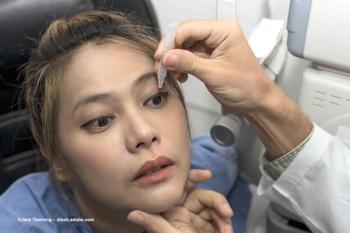
EXN407 has the potential to be the first topical treatment for diabetic retinopathy and diabetic macular oedema
The study results will help to identify dosing levels for future clinical trials

The partnership will further the effort to bring VGX-0111, a gene therapy treatment for AMD to patients and providers.

A Q-switched, 532 nm-wavelength, frequency-doubled Nd:YAG laser, the Eagle is intended for use in performing selective laser trabeculoplasty.

Ophthalmology witnessed a transformative year with 12 FDA approvals. As the year concludes, there remains a robust pipeline of drugs, setting high expectations for continued advancements in ophthalmological care in 2024 and beyond.

The study saw encouraging results and helped to identify suitable dosing levels for future clinical trials.

The company’s lead ophthalmology candidate, EXN407, has the potential to be the first topical treatment for diabetic macular edema.

The treatment option can have a positive impact on quality of life for patients.
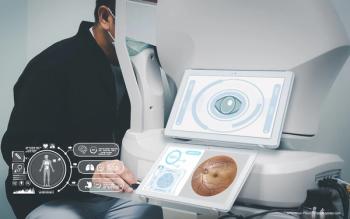
The system hopes to use optical coherence tomography (OCT), while at the same time, leverage air and ultrasonic pulses to excite the mechanical waves in the cornea, enabling the detection of normotensive glaucoma.

Working smarter, not harder, to benefit patients

The company’s lead ophthalmology candidate, EXN407, has the potential to be the first topical treatment for DR/DME.

TP-03 (lotilaner ophthalmic solution, 0.25%) was approved by the FDA in 2023 under the brand name Xdemvy for the treatment of Demodex blepharitis and s being evaluated as an investigational therapy for the treatment of Meibomian Gland Disease (MGD) in patients with Demodex mites.

ROP can be a disease that affects both the retinal and choroidal vasculatures.
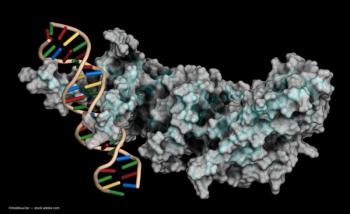
Both oxidative stress and HIF-1 have been previously implicated in the development of AMD.
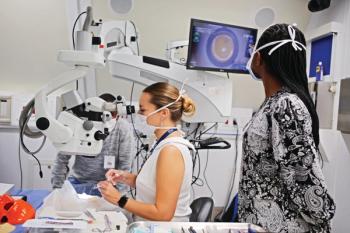
Orbis advances cataract surgery training in low-resource areas with technology

The drug is being evaluated on its safety, tolerability and pharmacokinetics of intravitreal single-rising doses and multiple doses as a potential treatment for GA.

Japanese investigators may have found a way of predicting which patients will develop intraocular inflammation in retrospective study.

According to the company, the device is designed to offer a non-surgical solution for patients suffering from keratoconus, corneal irregularities, photophobia, and presbyopia.


David A. Eichenbaum, MD, highlighted new therapies such as faricimab and high-dose aflibercept to reduce the burden of diseases like macular degeneration and diabetic eye conditions while improving patient outcomes during his presentation at EyeCon 2023.

MACs categorize goniotomy, canaloplasty, cyclophotocoagulation as experimental; glaucoma specialists speak out.

Both oxidative stress and HIF-1 have been previously implicated in the development of AMD, but this research more clearly shows how cells are affected.

Patients considered vitamin D deficient had a risk of noninfectious uveitis more than twice that of their counterparts without vitamin D deficiency.