

The audiobook of GRF's flagship 40-page educational booklet "Understanding and Living with Glaucoma is narrated by Bianca Beach, an actress, advocate, and glaucoma patient.
The audiobook of GRF's flagship 40-page educational booklet "Understanding and Living with Glaucoma is narrated by Bianca Beach, an actress, advocate, and glaucoma patient.

While the change is mostly a result of improved recognition of in situ cases, authors wanted to identify any changes in the incidence and mortality of conjunctival melanoma in Australia from 1982 to 2014.


Research around the globe is working not only to develop treatments for AMD, but also to determine risk factors for the disease to help prevent future cases.


Yehia Hashad, executive vice president, research and development, and Chief Medical Officer at Bausch + Lomb sat down with David Hutton of Ophthalmology Times to talk about the upcoming solar eclipse and what ophthalmologists can do to promote safe viewing of the event for their patients.
Explore cutting-edge ophthalmology innovations in this new series on the Ophthalmology Times EyePod podcast. Throughout this series, we'll hear insights from various stakeholders in clinical practice, academia, and industry. In this episode, host Ehsan Sadri, MD, engages in a conversation with Jeffry Weinhuff, managing partner at Visionary Ventures, exploring trends and offering advice for individuals driven by an entrepreneurial mindset.
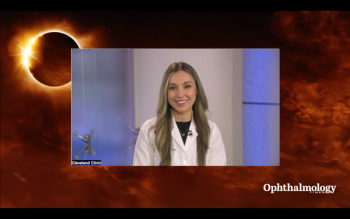
Nicole Bajic, MD, from the Cole Eye Institute at Cleveland Clinic shares her insights in preparing patients for the 2024 solar eclipse on April 8, 2024.

A total solar eclipse will cross 15 states on April 8, 2024. Durga Borkar, MD, MMCi shares how to communicate eye safety tips and prepare to treat anyone who does present with solar retinopathy.

A new Provectus spinout company would commercialize combination therapy of the university’s light source medical device and its pharmaceutical-grade rose bengal sodium.
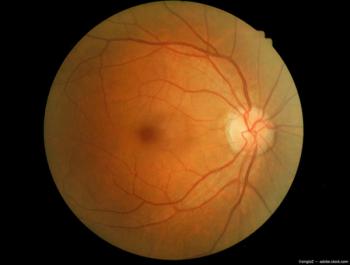
2024 is already bringing new research and insights to the forefront of retinal vein occlusion and providing new ways to consider retinal vascular health.
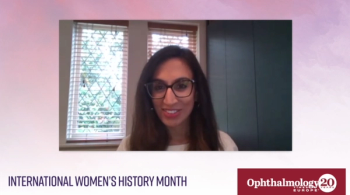
The glaucoma specialist talks about navigating the world of research, and the realities of motherhood, as a clinician

The 1-time, intracameral injection is a cell therapy for the treatment of corneal edema secondary to corneal endothelial dysfunction.

Following the CRL from the FDA last year, Aldeyra is planning to initiate a dry eye chamber clinical trial in the first half of 2024.

Investigators analysed the incidence and mortality rates from conjunctival melanoma cases over a 32-year period

Ocular toxicity from breast cancer chemotherapy, head and neck cancer radiation and targeted therapy.

The Bascom Palmer Eye Institute at the University of Miami Miller School of Medicine recently received a $1 million donation to drive its efforts to successfully transplant a whole eye.

An AI-supported telemedicine effort from Siloam Vision and Orbis International

The company announced it has entered into a global licensing agreement with ForSeeCon Eye Corp. for the company's ophthalmology pipeline, which includes the medical device Vitargus.

In this cohort of 3 adult patients, there was positive safety and efficacy data.

In addition to the primary safety and tolerability endpoints, the study also saw signals of biological response from EXN407

Kay Durairaj, MD, FACS, known as Dr Kay, discusses blepharoplasty and the collaboration between facial plastic surgeons and ophthalmologists in a conversation with Ophthalmology Times.

In addition to the primary safety and tolerability endpoints, the study also saw signals of biological response from EXN407

The opportunities and challenges presented by CRISPR manipulation

Since its U.S. launch in September 2023, more than 40,000 avacincaptad pegol intravitreal solution vials have been distributed to physician practices.

According to Alcon, as CMO, Terry Kim, MD, will continue to integrate scientific and clinical priorities across Alcon’s Surgical and Vision Care franchises, with a focus on meeting the needs of patients and eye care practitioners across the globe.

The NOVA clinical trial has found statistical non-inferiority to current clinical standards for sensitivities at individual test locations, glaucoma staging using Medicare definitions, and an exceptionally high correlation of 0.94 in mean deviation.

MCO-010 demonstrated a statistically significant improvement of best-corrected visual acuity (BCVA) at week 52.

The European Commission is expected to make a decision about the application before the end of June.

Stargardt disease is the most common inherited retinal dystrophy (causing blurring or loss of central vision) in both adults and children.