
Prof. Sobha Sivaprasad discusses why GA's multistage nature demands a broader therapeutic approach—and what evidence will shape clinical decision-making.

Prof. Sobha Sivaprasad discusses why GA's multistage nature demands a broader therapeutic approach—and what evidence will shape clinical decision-making.
Prof. Anat Loewenstein questioned whether treat-and-extend will remain the preferred strategy as longer-acting therapies emerge.
Andrew G. Lee, MD, presents the “no” perspective on whether GLP-1 agonists cause non-arteritic anterior ischemic optic neuropathy, arguing that current evidence shows association but not proven causation.

The 17th annual Congress on Controversies in Ophthalmology takes place on 20–21 March 2026 in Kraków, Poland, bringing together an international faculty for two days of structured debate on the most pressing questions in the field.

The trial, sponsored by ONL Therapeutics, aims to enrol approximately 324 patients across sites in Europe, the United States, and Canada.

According to the manufacturer, TECNIS PureSee is the first US EDOF IOL approved by the FDA with no warning on contrast sensitivity.

The 3rd Winterthur Ophthalmology Symposium in Winterthur, Switzerland, on 12–13 March 2026 will feature plenary talks, hands-on workshops, satellite sessions, poster presentations, and a gala honoring the Otto Haab Medal.
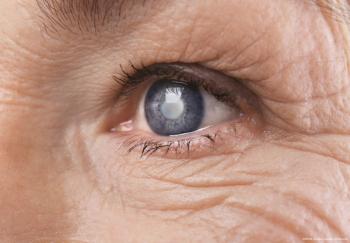
Marta Pazos, MD, PhD, on how OCT and emerging AI can help spot preperimetric glaucoma years before vision loss while avoiding false positives from myopia and disc anatomy.

Experts share practical and research-based advancements, offering actionable strategies in diagnosis, treatment, and early detection.
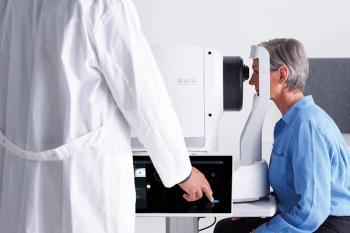
Learn how OCT aids neuro-ophthalmology, where it falls short, and why AI plus neurologist–ophthalmologist teamwork prevents misdiagnosis.
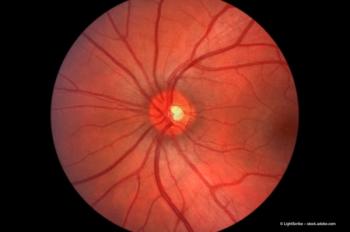
Steffen Hamann, PhD, FEBO, FRCOphth, offers insight into the landscape for optic disc drusen and the impact of advances in OCT.

Healthcare staff face splashes, aerosols, chemicals, and lasers daily; ANSI-rated eye protection and better compliance prevent most workplace injuries.

An ophthalmology resident shares insights from experiences across Mexico, Europe, and the US.

The certification supports continued European market access as the Medical Device Regulation imposes stricter requirements on manufacturers.
EYE PCR’s fixOflex is now eligible for European market introduction, providing clinicians with a method of preserving the capsular bag’s form after cataract surgery.

A separate ex-US settlement enables a launch in the United Kingdom beginning January 2026, in the rest of Europe from April 2026, and in other settled markets (excluding Korea) from May 2026.

The 22nd International Scientific Symposium on Ophthalmic Imaging will take place 18–19 September 2026 in Singapore, marking an expanded scientific scope while maintaining its focus on imaging in research and clinical practice.
The group recommends using “physicians” for doctors and “clinicians” or “health care professionals” for care teams.

Lorem ipsum dolor sit amet, consectetur adipiscing elit.

Retina specialists showcase innovation and precision in retinal care

Interventional therapies give patients faster relief and better outcomes

Proactive strategies enhance comfort, adherence and long-term glaucoma control
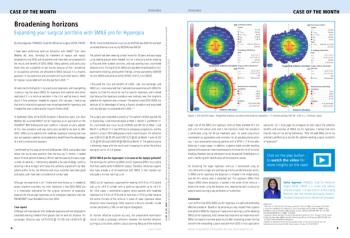
Discover how Dr. Smita Agarwal expanded her refractive portfolio with ZEISS SMILE pro for hyperopia, and why this flapless approach delivered excellent outcomes for her first hyperopic patient.
Marta Pazos, MD, PhD, examined the role of optical coherence tomography, artificial intelligence, and clinical evaluation in early glaucoma management.
Steffen Hamann, PhD, FEBO, FRCOphth, discusses how optic disc drusen can mimic glaucoma and discussed evolving imaging and research strategies.
Andrew Tatham, MD, MBA, FRCOphth, FEBO, outlines the role of micro-invasive glaucoma surgery alongside established glaucoma procedures, focusing on safety, patient selection, and future directions.

AI is reshaping clinical practice in retinal imaging and workflow optimization, according to Priv.-Doz. Dr. med. Jan H. Terheyden, FEBO.

Prof. Dr. Luís Abegão Pinto outlines how real-world datasets can improve artificial intelligence accuracy, reduce bias, and support clinical decision-making at scale.
Prof. Dr. med. Wolf A. Lagrèze highlights the clinical role, limitations, and future potential of optical coherence tomography in glaucoma and neuro-ophthalmic disease.

A study reveals varying shear-thinning behaviors in artificial tears, highlighting the importance of mimicking natural tear properties for effective eye lubrication.