
Explore innovative glaucoma treatments and technologies, including AI, home monitoring, and new surgical options, to enhance patient care.

Explore innovative glaucoma treatments and technologies, including AI, home monitoring, and new surgical options, to enhance patient care.

Discover groundbreaking advancements in eye care at ASCRS 2025, featuring innovative technologies and research from leading ophthalmology companies.

Canadian investigators urged quick neuro-ophthalmologic referrals to limit the progress of life- and vision-threatening conditions.

From revised patient flow to smarter tech adoption, ophthalmologists share which changes from 2020 have become cornerstones of modern care—and how they’re preparing for the next big disruption

Ophthalmologists reflect on the transformative impact of COVID-19, highlighting adaptations in patient care, safety protocols, and the rise of telemedicine.
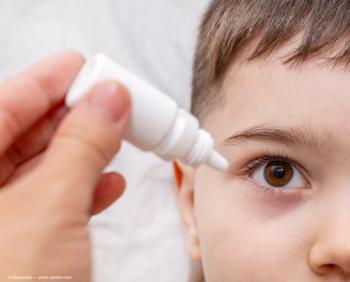
ENTOD Pharmaceuticals launches Myatro XL, a 0.05% atropine eye drop, to effectively slow myopia progression in children, available by prescription in 2025.

Bausch + Lomb addresses recent IOL recall, ensuring safety with enhanced protocols and returning enVista lenses to market after thorough investigation.

Industry leaders discuss the impact of rising tariffs on vision care costs, advocating for policy changes to ensure affordable access to essential eyewear.



This population requires careful attention from diagnosis through the entire postoperative process.


Five years after the COVID-19 pandemic shutdown reshaped how the world gathers, here's how some of ophthalmology’s leading associations are still applying lessons forged in crisis



The FDA did not agree with a supplemental Biologics License Application for the addition of extended dosing intervals of up to 24 weeks across currently-approved indications.

The affected mandate requires that all newborns receive erythromycin ointment applied to their eyes after birth, which helps prevent ophthalmia neonatorum.

Insights from a genome-wide association study identify novel genetic loci

CsA Ophthalmic Gel is an innovative cyclosporine gel being developed by Zhaoke in China for the treatment of moderate to severe DED.
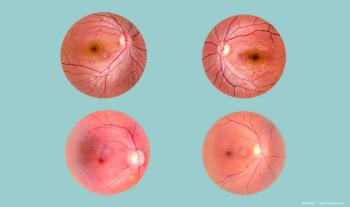
Authors defined metabolic syndrome as “the set of factors that increase the risk of cardiovascular disease and diabetes, such as hypertension, central obesity, insulin resistance, and atherogenic dyslipidemia.”

Authors of the study believe this potential will provide clinicians with valuable information about patient responses to treatment.

Neda Shamie, MD, previews the May 4 conference, where a faculty of ophthalmologists and optometrists will explore the latest advancements and controversies.
Celebrating a half-century of progress with Ophthalmology Times.

The annual ARVO meeting will be held in Salt Lake City, Utah and feature presentation on clinical trials from around the globe.
Leos is supported by emerging data from a randomized controlled clinical trial, further validating its safety and efficacy.

The sBLA seeks approval for Eylea HD for both the treatment of macular edema following retinal vein occlusion and broadening the dosing schedule to include every-4-week dosing across approved indications.

Updated guidelines characterize IOLs by functional performance over optical design.

The research team noted that racial subgroups are underrepresented in clinical trials, a factor that should be addressed in future clinical trials.

ATSN-201 was given regenerative medicine advanced therapy designation to treat X-linked retinoschisis, for which there currently are no approved treatments.

A decision on a longer dosing duration for the high-dose formulation is expected by April 20, 2025.