

The first reported clinical results of a Phase I study following implantation of the 3-D neural interface retinal prosthesis showed it is safe in patients with end-stage retinitis pigmentosa.

The first reported clinical results of a Phase I study following implantation of the 3-D neural interface retinal prosthesis showed it is safe in patients with end-stage retinitis pigmentosa.

Patrick Bussfeld, MD, VP, head medical affairs ophthalmology at Bayer Consumer Care AG, discusses the results from several treat-and-extend studies on aflibercept, and how Bayer is participating in the 2020 EURETINA virtual meeting.

Study offers a real-world scenario of a very specific, but frequent and crucial aspect of the care of patients with diabetes, suggests clinician

Investigational OCT system with AI-based image analysis holds promise

An interim analysis including data from almost 150 patients found an association between higher number of injections and increased risk of mild cognitive impairment.
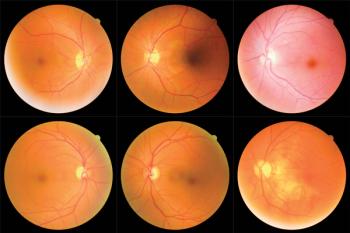
Visual acuity outcomes at 6 months’ post-treatment were similar, regardless of the use of anti-VEGF therapy.
Modifier-25 same-day examinations are critical to the successful treatment and overall health and well being of these patients.

Measuring high-quality care cannot be a barrier to providing it, notes John T. Thompson, MD.

Study points to the possible role of addressing preprocedural anxiety

Investigators find that nanoparticles deliver gene therapy successfully in mice, rats

Automated assistance controls tremor, reduces fatigue, and helps avoid inadvertent injury

Agreement would include global rights for investigational treatment, risuteganib, expected to help reverse vision loss due to dry AMD

Evidence-based medicine can lead to personalized care, better results for patients

Ophthalmologists remain in touch with colleagues while maintaining social distancing

This ability would unlock possibilities for repairing tissue damaged by disease
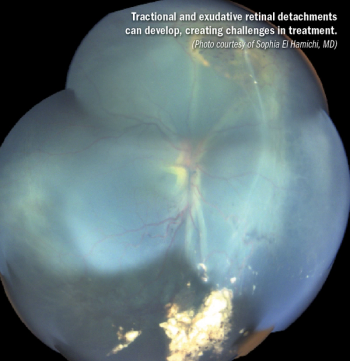
Watchful waiting may prove to be beneficial in complicated cases

Intravitreal gene therapy continues to be well tolerated; shows robust efficacy

Novartis has announced positive topline results from the phase 3 KITE study of brolucizumab 6 mg versus aflibercept for patients with diabetic macular edema.

Though OCTA has become indispensable for managing macular degeneration and diabetic retinopathy, Robert L. Stamper, MD, explains why the technology must become more sophisticated and evolved before it reaches its full potential for glaucoma specialists.

Interim data update from first cohort using suprachoroidal delivery of RGX-314 expected by end of 2020
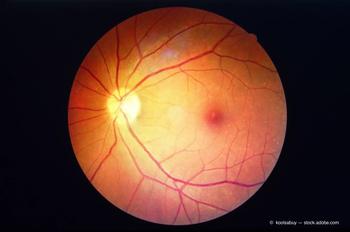
Results could provide a new preferred treatment paradigm for this population

Results of a prospective trial show the tool is ready for clinical use and potential deployment for remote telemedical use.

Researchers advocate for intraoperative intravitreal steroid during cataract surgery in patients with DME.

A study suggests this user-friendly platform may be useful as a supplemental visual function measure in patients with AMD.

Study explores correlations between functional and structural tests

Susan Coultas, PhD, and Preeya Gupta, MD, share their hopes for continued innovation in the ophthalmic space — including dry eye and retina — as well as the importance of the clinical research process.

The application of sub-silicone oil TA crystals over relaxing retinectomy sites is a viable option in patients with complex RD with extreme PVR.

Find out how the LIGHTSITE I results may pave the way for a new treatment approach.

The FDA has issued an emergency use authorization to allow treatment with COVID-19 convalescent plasma for patients who are hospitalized with the disease.

In this second installment, ophthalmologists share how their expectations for "the year of the eye" have compared and contrasted to reality amid the global pandemic.