

The deal will expand Alcon's footprint in the ophthalmic pharmaceutical space and is expected to add broader pharmaceutical R&D capabilities to existing commercial efforts.

The deal will expand Alcon's footprint in the ophthalmic pharmaceutical space and is expected to add broader pharmaceutical R&D capabilities to existing commercial efforts.

The contest will take place as part of World Retina Day, Saturday, September 3, from 8:30-9:30 CEST in Hall X2/Channel 7.

The stated core foundation of the Women in Retina program is that “the best innovations happen when diverse people with different perspectives collaborate.” The program will help ESRS harness these perspectives and challenge the way things are done and allow for them to be done better.

APOE4 gene associated with Alzheimer’s disease risk was found to protect mice from glaucoma. Research team also prevented retinal ganglion cell death by blocking the APOE signaling pathway, pointing to a potential treatment strategy for glaucoma.


The investigators retrospectively analyzed treatment-naive eyes with DME which received intravitreal treatment with either ranibizumab 0.5 mg or aflibercept 2 mg. All data were collected in the Fight Retinal Blindness! registry.

Researchers at the Medical University of Vienna are focusing on how the retina can be used as a prognostic marker. Analyses revealed that retinal layer thinning as a result of an MS relapse predicts the severity of future relapses and the likelihood of disability.

This discovery provides potential for treatment strategy to prevent blindness from glaucoma.

With the support of Harrington Discovery Institute at University Hospitals, an ophthalmic therapeutic dubbed KIO-301, initially developed by Richard Kramer, PhD, at the University of California, Berkeley (UCB), has successfully been granted approval to start a Phase 1b, first-in-human clinical trial.

Combined, the companies say they will create the largest eye bank, tissue recovery and ocular research center in the world.

The U.S. Food and Drug Administration has approved Coherus’ ranibizumab-eqrn (Cimerli) as an interchangeable biosimilar for all five indications of Lucentis.

This year’s hybrid meeting will allow attendees to participate in person or virtually. Either way, this congress will offer a wealth of information to specialists covering all aspects of retinal diseases.

Kodiak Sciences Inc. announced that its BEACON Phase 3 study of tarcocimab, its novel antibody biopolymer conjugate, met the primary endpoint of non-inferior change from baseline in visual acuity at week 24 compared to aflibercept in patients with macular edema due to retinal vein occlusion.

Investigators concluded that patients who are cognitively healthy with a high genetic risk of Alzheimer disease may exhibit changes in retinal tissue that correlate with brain changes.
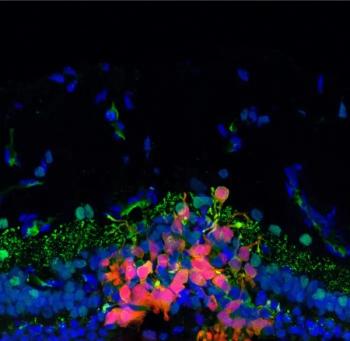
A multi-institutional effort led by researchers at the University of Pennsylvania is taking steps to develop an effective technique to regenerate photoreceptors cells and restore sight in patients with vision disorders.
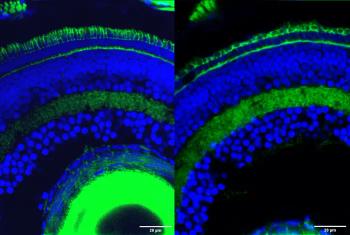
The findings could lead to a new understanding of unexplained causes of inherited retinal diseases.

A novel computational platform identifies top-performing viral vectors that could deliver gene therapies to the retina with maximum efficiency and precision.

According to EyePoint Pharmaceuticals, the clinical trial is reviewing EYP-1901, an investigational sustained delivery anti-vascular endothelial growth factor (anti-VEGF) treatment for wet age-related macular degeneration (wet AMD).
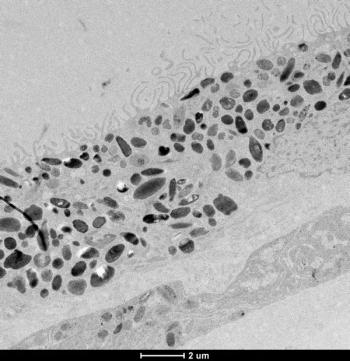
The discovery of molecular signatures of age-related macular degeneration will help with better diagnosis and treatment of this progressive eye disease.

While the COVID-19 pandemic revealed the potential of utilizing artificial intelligence in screening for diabetic retinopathy, improvements are still needed as a results of the number of images that are ungradable.
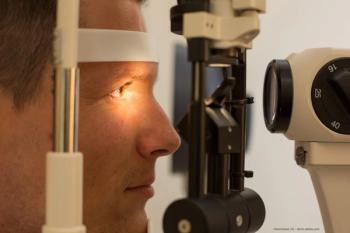
A team of scientists, led by Andrzej Foik, PhD, of the International Center for Translational Eye Research, is working on new therapies that may slow vision loss in patients diagnosed with retinal degeneration.

Treatment reduces burden of care, providing another option for patients diagnosed with diabetic macular edema.
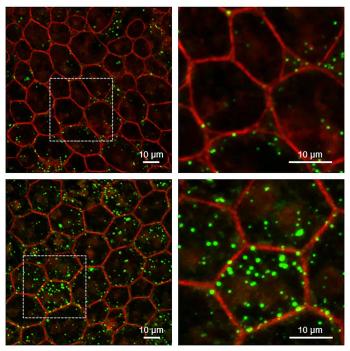
Eyes of mice lacking protective protein show signs similar to age-related macular degeneration.

Scientists at the Louisiana State University Health New Orleans Neuroscience Center of Excellence have developed a new, experimental human cell line from retinal pigment epithelial cells.

According to the Nanoscope Therapeutics, 6-month safety and efficacy data are expected in Q1 2023. MCO-010 gene therapy reprograms healthy retinal cells to make them photosensitive.

The effects of cataract surgery are generally evaluated based on improvements in vision, but investigators sought to identify if the structures in the back of the eye were affected as well.

A national poll suggests most parents overlook simple steps to protect children’s eyes; 1 in 7 parents say their child has not had a vision test in 2 years.

The ASRS "See for a Lifetime; See a Retina Specialist" initiative will spotlight early detection and outline the importance of seeing a retina specialist.

Pegcetacoplan is an investigational, targeted C3 therapy for the treatment of geographic atrophy secondary to age-related macular degeneration.

The American Society of Retina Specialists held its 40th Annual Meeting in New York, New York, from July 13-16, 2022. While data was presented for all topics in retina, new revelations in age-related macular degeneration, diabetic retinopathy, and diabetic macular edema dominated the conversation.