

According to EyePoint Pharmaceuticals, the clinical trial is reviewing EYP-1901, an investigational sustained delivery anti-vascular endothelial growth factor (anti-VEGF) treatment for wet age-related macular degeneration (wet AMD).

According to EyePoint Pharmaceuticals, the clinical trial is reviewing EYP-1901, an investigational sustained delivery anti-vascular endothelial growth factor (anti-VEGF) treatment for wet age-related macular degeneration (wet AMD).
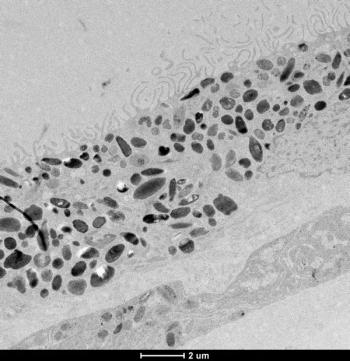
The discovery of molecular signatures of age-related macular degeneration will help with better diagnosis and treatment of this progressive eye disease.
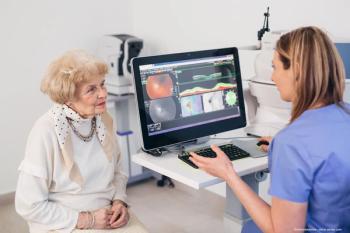
While the COVID-19 pandemic revealed the potential of utilizing artificial intelligence in screening for diabetic retinopathy, improvements are still needed as a results of the number of images that are ungradable.
A team of scientists, led by Andrzej Foik, PhD, of the International Center for Translational Eye Research, is working on new therapies that may slow vision loss in patients diagnosed with retinal degeneration.

Treatment reduces burden of care, providing another option for patients diagnosed with diabetic macular edema.
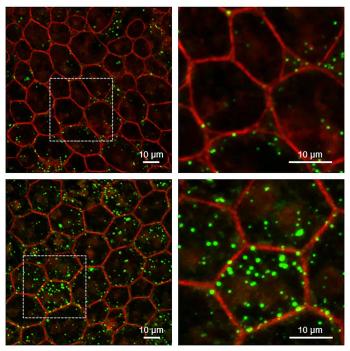
Eyes of mice lacking protective protein show signs similar to age-related macular degeneration.

Scientists at the Louisiana State University Health New Orleans Neuroscience Center of Excellence have developed a new, experimental human cell line from retinal pigment epithelial cells.

According to the Nanoscope Therapeutics, 6-month safety and efficacy data are expected in Q1 2023. MCO-010 gene therapy reprograms healthy retinal cells to make them photosensitive.

The effects of cataract surgery are generally evaluated based on improvements in vision, but investigators sought to identify if the structures in the back of the eye were affected as well.

A national poll suggests most parents overlook simple steps to protect children’s eyes; 1 in 7 parents say their child has not had a vision test in 2 years.

The ASRS "See for a Lifetime; See a Retina Specialist" initiative will spotlight early detection and outline the importance of seeing a retina specialist.

Pegcetacoplan is an investigational, targeted C3 therapy for the treatment of geographic atrophy secondary to age-related macular degeneration.

The American Society of Retina Specialists held its 40th Annual Meeting in New York, New York, from July 13-16, 2022. While data was presented for all topics in retina, new revelations in age-related macular degeneration, diabetic retinopathy, and diabetic macular edema dominated the conversation.

J. Fernando Arevalo, MD, PhD, investigated the anatomic and functional outcomes of pars plana vitrectomy, scleral buckle, or a combination of the two, and suggested that the combination approach may need further consideration.
At ASRS in New York City, Charles Wykoff, MD, presented a talk entitled, “Suprachoroidal Delivery of RGX-314 Gene Therapy for Diabetic Retinopathy: Phase II ALTITUDE Study.” The trial demonstrated large improvements for patients with diabetic macular edema (DME) and non-proliferative diabetic retinopathy (NPDR), with notable improvements according to the Diabetic Retinopathy Severity Scale (DRSS).
The future risk of the development of new-onset vision-threatening diabetic retinopathy, diabetic macular edema, and proliferative diabetic retinopathy can be predicted using the patient’s retinopathy status and hemoglobin A1c value.
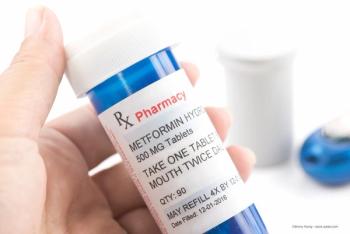
Metformin, a frequently prescribed drug to treat diabetes, could be a novel therapy for AMD.
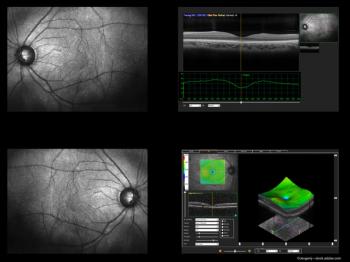
Investigators from Thailand took a close look at retinal fluid fluctuations in Thai patients with wet age-related macular degeneration (AMD) and devised a better way to measure the fluctuations in the central subfield thickness (CST).

Rhegmatogenous detachments increased with age; myopia, trauma, and history of retinopathy were common underlying risk factors for development of rhegmatogenous retinal detachments.

Treatment with faricimab in patients with neovascular AMD achieved improvements in the visual acuity, central subfield thickness, and pigment epithelial detachments.
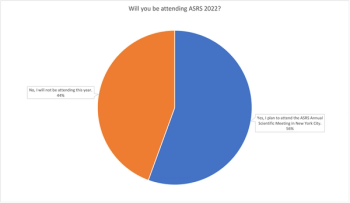
Results from our recent poll regarding ASRS 2022 attendance indicate that most ophthalmologists and retina specialists plan to participate in the Annual Meeting in person in New York, New York.

CAM encourages corneal healing in patients with ocular surface disease.

A team of investigators at the Agency for Science, Technology and Research in Singapore have developed a bio-functional thermogel, a type of synthetic polymer, to prevent retinal scarring caused by failed retinal detachment repair surgery.
A team of investigators from Johns Hopkins Medicine say they’ve discovered that levels of a specific protein appears to help accurately predict whether people with the wet form of age-related macular degeneration may need lifelong, frequent eye injections to preserve vision or if they can be safely weaned off the treatments.

Foundation Fighting Blindness is a driving force in advancing retinal gene therapies into clinical trials.

The 40th annual Scientific Meeting of the American Society of Retina Specialists is scheduled for July 13-16, 2022, in New York.

A team of investigators at Flinders University in Australia have found that a specific cell within the retina appears to be particularly good at housing Ebola and other viruses.

According to the company, the primary outcome of the MGT009 study is safety, and botaretigene sparoparvovec treatment was found to be generally safe and well-tolerated.

Survey respondents point to a perceived gap in treatments for uveitic macular edema, document interest in suprachoroidal drug delivery.

LumiThera Inc. noted that the trial results demonstrated statistically significant improvement in the prespecified primary endpoint in BCVA at 13 months in the PBM treatment group over the sham-treatment group.