

SYL1801 is a treatment for neovascular macular degeneration administered via eye drops.

SYL1801 is a treatment for neovascular macular degeneration administered via eye drops.

A recent analysis reveals a strong link between photoreceptor health and visual function in geographic atrophy, emphasizing the importance of EZ integrity.

Valeda met the primary end point in the US LIGHTSIDE III trial, improving the best corrected visual acuity in patients for 24 months of >5 letters or equivalent to 1 line improvement on the eye chart, according to the company.

Kapil Mishra, MD, discusses an overview of radiation retinopathy and its challenges in treating uveal melanoma from his presentation "Radiation Retinopathy: Future Strategies,"

A recent study reveals how geographic atrophy affects patients' vision and quality of life, highlighting their coping strategies and need for better resources.

Duke professor Sharon Fekrat, MD, discusses AI-driven ophthalmology with smartphone diagnostics and robotic procedures, emphasizing global collaboration and innovative medical research.

New research reveals how low blood sugar can damage the retina in diabetes, highlighting potential treatments targeting specific proteins to prevent vision loss.

Palatin Technologies reveals groundbreaking preclinical results on melanocortin agonists, showcasing their potential to combat diabetic retinopathy and preserve vision.

Alfredo Sadun, MD, PhD, details a fascinating outcome from a gene therapy in development for Leber hereditary optic neuropathy.

The company shared results from the AAVB-081 clinical program and AAVB-039 preclinical program at ARVO.

The biomarkers are especially crucial for patients with lupus nephritis.

Post hoc analysis of GATHER1 and GATHER2 showed that reduced EZ-RPE central subfield thickness is a strong predictor of greater future vision loss.


Boehringer Ingelheim announced that the phase 2 clinical studies will investigate a potential first-in-class oral compound and a highly specific antibody fragment for geographic atrophy.


At Retina World Congress 2025, Dilsher S. Dhoot, MD, shares updates on the HELIOS trial and the potential future of tyrosine kinase inhibitors (TKIs).

Optigo Biotherapeutics presents promising preclinical data at ARVO.

Topline results from the Magnify phase 2 clinical trial of oral zervimesine show 28.6% slower geographic atrophy lesion growth compared with placebo.

Machine learning algorithms enhance retinopathy of prematurity screening using smartphone images, expanding access in low-resource settings and easing pediatric ophthalmologist workloads.

The recombinant human vascular endothelial growth factor receptor (VEGFR)-antibody human complement receptor 1 (CR1) fusion protein will be intravitreally administered in up to 150 patients.
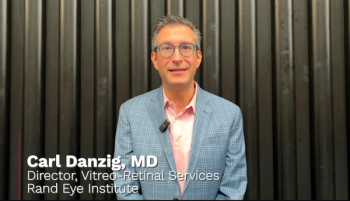
According to Dr. Danzig, the DIAMOND trial demonstrates efficacy of OCS-01, a topical drop, in patients with diabetic macular edema.

Topcon Healthcare launches IDHea, an innovative platform enhancing AI research and ocular data access to improve clinical outcomes in healthcare.

The trial assesses GAL-101 as an oral therapy designed to treat Alzheimer disease, dry age-related macular degeneration, and glaucoma.

The phase 2 clinical trial data evaluating the efficacy, safety, and dosing intervals of high-dose IBI302 were presented during the annual 2025 ARVO meeting.

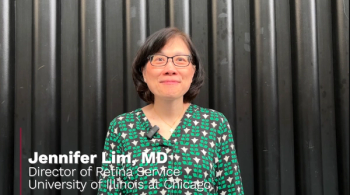
Jennifer Lim, MD, FARVO, FASRS, discusses her ARVO presentation on sickle cell retinopathy, highlighting improvements in retinal surgery techniques and instrumentation.

New research reveals subretinal drusenoid deposits as potential indicators of serious heart disease, highlighting the need for ophthalmologists to screen patients effectively.

Opus Genetics reveals promising 1-year results from OPGx-LCA5 gene therapy, showing sustained vision improvements in adults with LCA5 retinal degeneration.