

Jordi Mones, MD, PhD, discusses what is believed to be the first direct-to-phase 2 trial testing an optogenetic gene therapy to restore vision lost to GA.

Jordi Mones, MD, PhD, discusses what is believed to be the first direct-to-phase 2 trial testing an optogenetic gene therapy to restore vision lost to GA.

25.5% of patients labeled with MacTel2 didn't meet diagnostic criteria, most often due to cystic OCT changes and telangiectatic vessels mistaken for the disease.
Bakall on 3-year REMAIN data for MCO-010 in retinitis pigmentosa: durable 3-line acuity gains, why genotype did not matter, and which patients responded best.

Seven-year Vestrum data: anti-VEGF gaps hit 40% of patients with wet AMD by year 1, worsening vision.

Jordana Fein, MD, MS, presented 64-week QUASAR data showing aflibercept 8 mg sustained visual acuity gains with up to 3 fewer injections than aflibercept 2 mg in macular edema following RVO.

A single vorolanib intravitreal insert extended time to supplemental anti-VEGF injection vs aflibercept in previously treated DME at 24 weeks in phase 2 VERONA; pivotal phase 3 trials COMO and CAPRI are now underway.

Hasenin Al-khersan, MD, of the Retina Group of Florida, shares real-world RCA registry findings showing that pegcetacoplan significantly reduced both photoreceptor and RPE loss in eyes with GA.

A University of Chicago-led ASRS 2026 poster explores how large language and vision-language models could help retina specialists manage imaging, records, and clinical trial matching—without replacing physician judgment.

At ASRS 2026, the dual inflammasome inhibitor K8 slowed geographic atrophy lesion growth by up to 54% over 6 months in a phase 2 trial and showed a visual acuity advantage in eyes with extrafoveal lesions, with no drug-related serious adverse events.

Microsecond green laser (520 nm; Norlase) improved visual acuity and reduced macular thickness in eyes with chronic central serous chorioretinopathy (CSCR)

Carl C. Awh, MD, FASRS, presented 2-year data at ASRS 2026 showing 4D-150 gene therapy cut anti-VEGF injection burden in wet AMD, with strong safety through 4 years of follow-up.

In a first-in-human Phase 1 trial, a single TH103 injection improved vision and reduced fluid in treatment-naive wet AMD, with roughly a third of patients needing no retreatment through 6 months.

5-year OPTIC data showed a single injection of Ixo-vec gene therapy cut annualized anti-VEGF injections 87%, with sustained aflibercept expression and no new safety signals, in a high-need population with nAMD.

A wider partial-total ellipsoid zone gap on OCT predicted faster total EZ loss and geographic atrophy in intermediate AMD—pointing to a biomarker for trial enrichment.

New real-world data from ASRS 2026 show nearly 40% of wet AMD patients go 180+ days without anti-VEGF treatment within a year, and treatment gaps are linked to worse long-term vision.
3-year REMAIN data show MCO-010 optogenetic therapy delivered durable ~3-line vision gains in retinitis pigmentosa regardless of gene mutation, with no treatment-related serious adverse events, per Benjamin Bakall, MD, PhD, at ASRS 2026.

AI-driven OCT analysis shows faricimab reduces diabetic macular edema fluid and thickness more than aflibercept, suggesting eccentric subfields may guide treat-and-extend dosing.

ARCHER data reveal which GA eyes risk major vision loss: midrange baseline acuity and subfoveal lesions, shaping counseling and future AMD trials.

A real-world Vestrum database analysis found pegcetacoplan was linked to better visual acuity outcomes in geographic atrophy, including in patients with concurrent neovascular AMD, per Nimesh Patel, MD, at ASRS 2026.

An AI platform that screens patient charts for clinical trial eligibility increased randomization by 37.5% and cut screen failures by 13% in a retina practice.

Arshad M. Khanani, MD, MA, discusses phase 3 SOL-1 data showing axitinib sustained vision in wet AMD for 9-12 months after 1 dose, outperforming aflibercept 2 mg.

Applying phase 3 LUGANO/LUCIA criteria to the phase 2 DAVIO 2 population showed stable vision and anatomy with the vorolanib insert EYP-1901 in wet AMD, Aleksandra Rachitskaya, MD, FASRS, reported at ASRS 2026.

OLN324 outperformed faricimab on anatomic outcomes as early as week 1 in the JADE trial, with no cases of intraocular inflammation across both dose groups.

Initiating aflibercept 8 mg or faricimab as a first-line therapy was associated with longer treatment intervals and superior anatomic outcomes in a real-world analysis of more than 12,000 eyes.


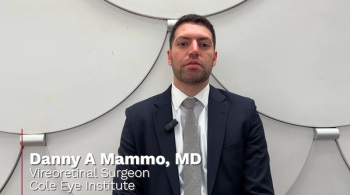
Research reveals a significant link between androgen exposure and central serous chorioretinopathy, aiding clinicians in assessing patient risk factors effectively.
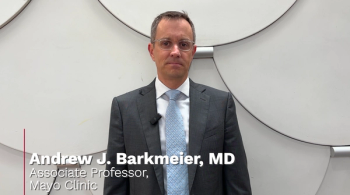
Research reveals that GLP-1 medications, including semaglutide, do not increase diabetic retinopathy risks, offering reassurance for patients and prescribers.

Research reveals how neighborhood social factors impact patients with tractional retinal detachments, highlighting the need for improved access to care and support.

A look at podium presentations on GA research at ASRS 2025.