Frantz EyeCare reports 98% of Light Adjustable Lens patients achieved refractive accuracy within ±0.50 D of target, exceeding published national cataract surgery benchmarks.

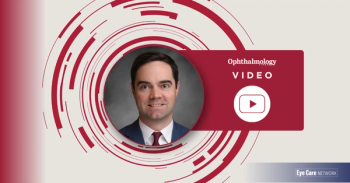
Zarmeena Vendal, MD, discussed the intersections between cataract surgery and glaucoma.
Zarmeena Vendal, MD, a cataract, refractive, and glaucoma surgeon practicing in Austin, Texas, reflected on her experience at the Envision meeting and the evolving role of cataract surgeons in glaucoma care. She explained that over her approximate 5 years attending this meeting, she has seen a significant shift: cataract surgeons are increasingly interested in actively managing glaucoma rather than simply referring patients to glaucoma specialists.
One of her main topics addressed what happens after cataract surgery for patients who still have glaucoma or remain at risk. She emphasized that even years after cataract surgery—1, 2, 3, or even 5 years—there are minimally invasive options available. These include goniotomy, especially in patients who already had stents placed during cataract surgery, as well as intracameral drug delivery such as intracameral travoprost (Travares/Traverst-like drug delivery). Her message to cataract and refractive colleagues was that they can and should continue to work with their glaucoma patients postoperatively, aiming to stabilize disease and keep patients drop-free whenever possible.
On the glaucoma side, she discussed laser therapy, particularly selective laser trabeculoplasty (SLT), which has long been a standard option, especially after evidence from the LiGHT trial supporting its use for intraocular pressure control. She introduced a newer modality, DSLT (direct or digitally guided, hands-free SLT) using the Voyager DSLT system, which her 7-doctor practice has been using for over a year. This technology has increased their overall volume of laser treatments because it offers an intuitive learning curve, better efficiency, and improved ergonomics. Notably, comprehensive doctors in her practice who previously performed SLT infrequently are now using DSLT readily, enabling earlier laser intervention and more proactive glaucoma management.
Vendal framed these developments within a broader patient-centric, interventional glaucoma philosophy. While acknowledging that the community still relies heavily on medications, she advocates shifting toward in-office procedures (lasers, drug delivery) and minimally invasive operating room techniques. Her vision is a future where all surgeons—comprehensive or glaucoma-trained, junior or senior—treat glaucoma patients similarly with modern, minimally invasive, and interventional strategies, thereby standardizing care.
She concluded by expressing deep appreciation for industry collaboration and innovation. She noted that, compared to 20 years ago, the field has advanced dramatically, with innovations like intraocular implants that can deliver medication for up to three years and multiple new drug delivery systems in development. She highlighted the mutual recognition by physicians and industry that ongoing innovation is essential to improving outcomes for glaucoma patients, and she feels fortunate to participate in this rapidly evolving space.