News
Advertisement

Catch up on this week's highlights in retina.
Advertisement

A complex case of uveitis linked to syphilis highlights the need for thorough history-taking and multidisciplinary management in diagnosis and treatment.

The role of anesthetics in streamlining efficiency and elevating patient care.
Advertisement

From firsts to the future: A pioneer's perspective on ophthalmology
Published: | Updated:
Marguerite B. McDonald, MD, FACS, shares a front-row view of ophthalmology’s “revolution with a capital R."

A new study highlights the effectiveness of ERG/pupillometry in predicting diabetic retinopathy progression, surpassing traditional imaging methods.

Salvation of ocular tissues and visual acuity are dependent on early diagnosis, investigators emphasised
Advertisement


The acquisition focuses on LayerBio's OcuRing-K technology, with plans to initiate the next clinical trial.

Steel and the Glaucoma Research Foundation have a relationship spanning over a decade.

Patients weigh in on the value of provider communication.


Advanced imaging and awareness of systemic risk factors are essential.
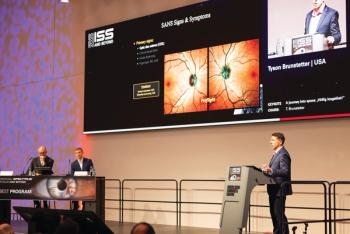
Highlights from the 2025 Heidelberg Engineering International SPECTRALIS Symposium—And Beyond

The ADAPT study will evaluate the safety and effectiveness of the Calibreye surgical system in up to 70 patients with refractory glaucoma.

The agreement is for a planned clinical trial of AXPAXLI (also known as OTX-TKI) for the treatment of non-proliferative diabetic retinopathy (NPDR).

New financing will support the company's lead retinitis pigmentosa programme, among other projects

This phase 2b/3 trial follows new, positive 2-year data from the phase 2 ALTITUDE trial, in which sura-vec was well-tolerated in subjects with non-proliferative diabetic retinopathy


The agreement is for a planned clinical trial of AXPAXLI (also known as OTX-TKI) for the treatment of non-proliferative diabetic retinopathy (NPDR).

Sandoz will oversee commercialization of the product across the European Union (excluding Germany), Switzerland, Norway, Australia, Hong Kong, Vietnam, and Malaysia under the terms of the agreement.
Hidden signs of systemic disease, including heart attacks, may first reveal themselves through visual symptoms or subtle patient cues in the exam chair.

Enhanced screenings and a unified registry could save vision and lives.

GLP-1 therapies could impact long-term outcomes in diabetic retinopathy.
Advertisement
Advertisement