
An understanding of GA growth kinetics is key to addressing the pathophysiology of age-related macular degeneration
An understanding of GA growth kinetics is key to addressing the pathophysiology of age-related macular degeneration
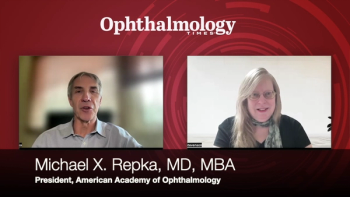
Ahead of the September 8 meeting in Paris, the program co-chair of the event and current president of the American Academy of Ophthalmology discusses how the workshop aims to shape consensus on guidelines, research priorities, and emerging therapies in myopia control.
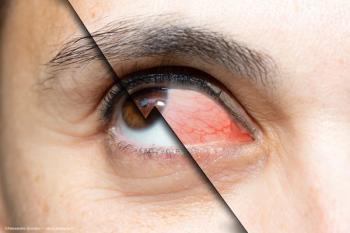
A novel use of minor salivary glands offers lasting relief and visual improvement.

Fovea-sparing, multifocal, and bilateral lesions exhibited the fastest growth rates.

Where to find members of our editorial board at this year's European Society of Retina Specialists Congress

At the 2025 EURETINA Congress, keep an eye out for 11 editorial advisory board members from Modern Retina, Ophthalmology Times and Ophthalmology Times Europe.
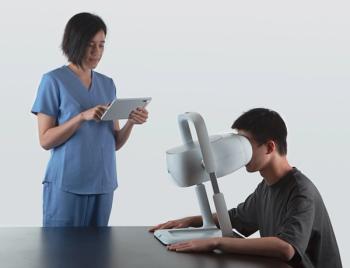

Long-term cannabis use may reduce the risk of proliferative vitreoretinopathy after retinal detachment surgery, suggesting potential therapeutic benefits.

The study will be evaluating the safety, tolerability, and efficacy of QLS-111 in adult patients with normal tension glaucoma.

Innovation, adaptability, and clear communication are key to managing outcomes.

Revisiting a classic tool that still gets you out of a jam works best when you understand its powers and limitations.

Answering all the questions ophthalmologists may have ahead of the EURETINA Congress in Paris, France
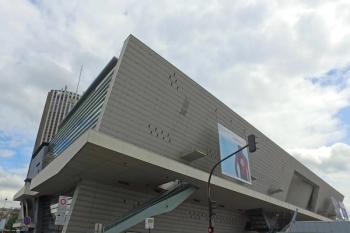
Retina specialists will celebrate the major anniversary this September in Paris, France.

Kriya is developing gene therapies targeting chronic diseases such as geographic atrophy, trigeminal neuralgia, and type 1 diabetes.
In episode 1, Bill Trattler, MD, shares practical advice on documentation, patient communication, keratoconus management, and advanced lens technology.
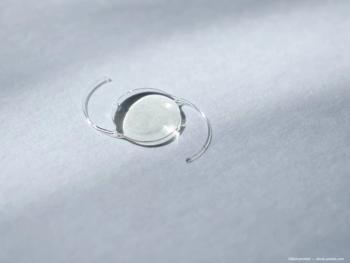
Surgeons navigate unpredictable healing and anatomy with customized strategies.


Kriya is developing gene therapies targeting chronic diseases such as geographic atrophy, trigeminal neuralgia, and type 1 diabetes.

Catch up on this week's highlights in retina.

Opioids like fentanyl effectively prevent sneezing during propofol sedation for periocular injections, enhancing patient safety in ophthalmic procedures.
Research reveals a significant link between androgen exposure and central serous chorioretinopathy, aiding clinicians in assessing patient risk factors effectively.
Research reveals that GLP-1 medications, including semaglutide, do not increase diabetic retinopathy risks, offering reassurance for patients and prescribers.

Understand the anatomical risks, technique-specific benefits, and patient selection criteria

New support offers a streamlined experience for surgeons and patients