

Earlier use of SLT, sustained-release drug delivery, and MIGS is reframing glaucoma care.
Earlier use of SLT, sustained-release drug delivery, and MIGS is reframing glaucoma care.


Catch up on this week's highlights in retina.
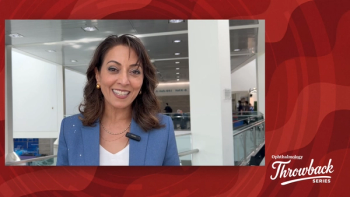
Neda Shamie, MD, recounts a humbling experience performing cataract surgery in Honduras using older-generation phaco machines, revealing how technology elevates both skill and patient care.

Roundtable discussion explores surgical and sustained-release options.
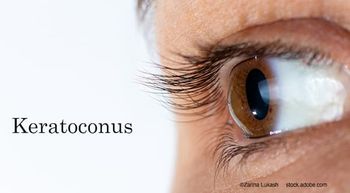
Chiu discusses factors affecting adoption of the FDA-approved epi-on therapy, from clinic setup to insurance coverage, while highlighting its safety and efficacy.

REMAIN is the long-term extension of the phase 2b/3 RESTORE trial evaluating MCO-010 in retinitis pigmentosa (RP).

The decision follows results from the Phase 3 STAR trial, among the largest global studies of low-dose atropine in pediatric myopia.
Innovations in surgery, biologics, and AI are shaping the future of eye aesthetics.

A recent study reveals that systemic chemotherapy significantly reduces mortality and enucleation rates in retinoblastoma, enhancing patient outcomes.

While the FDA requests additional evidence of efficacy for the low-dose atropine eye drop in the US, the formulation has already gained European Commission approval as Ryjunea for slowing paediatric myopia progression.

While the STAR trial showed significant reductions in myopia progression, including over 50% in fast-progressing children, the FDA requires additional evidence to support US approval.
Their discussion sheds light on the importance of physician advocacy in ophthalmology—from shaping policy and protecting patients to building community.
HELIOS Phase 1 showed consistent reductions in retinal fluid with OTX-TKI, paving the way for pivotal HELIOS-2 and HELIOS-3 trials.
Gildeuretinol has also been evaluated in atrophic age-related macular degeneration, said Philip J. Ferrone, MD
Inder Paul Singh, MD, shares a formative experience in which a patient’s vision loss—and their unexpected gesture of comfort—shaped his approach to high-risk glaucoma care.

A study reveals that systemic chemotherapy significantly reduces mortality in retinoblastoma, while targeted treatments lower enucleation rates.
The newest research findings create "tangible benchmarks" for how earlier treatment can lead to better outcomes, said Dr. Kim.

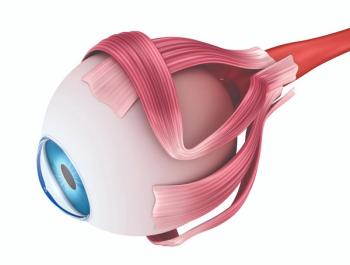
How pupil modulation and pharmacologic targeting shape near vision outcomes.
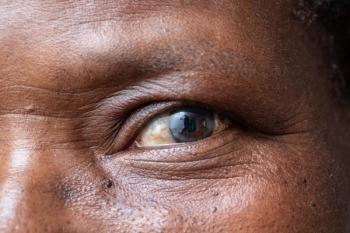
New research reveals subretinal drusenoid deposits in Black and Hispanic AMD patients may signal higher vascular disease risk

Optogenetics shows promise in improving mobility and object recognition for patients with retinitis pigmentosa and Stargardt disease.
SriniVas R. Sadda, MD, FARVO, recalls a residency case that highlights the transformative impact of OCT and OCT angiography.
During the American Academy of Ophthalmology annual scientific meeting, the organization shared breaking news and updates from ongoing projects.
Joel Schuman, MD, explore the latest advancements in glaucoma laser treatments, including innovative techniques like DSLT and the benefits of selective laser trabeculoplasty

AMD treatment may become unrecognizable as gene therapies evolve.

Rajpal shares his perspectives on the newly FDA-approved treatment, clinical benefits, and its potential impact on keratoconus management.
Sahar Bedrood, MD, discusses her experience with the LEOS endoscopic laser system's enhanced precision and efficiency, promising improved patient outcomes in glaucoma surgery.