

Approach to lowering IOP reduces medication burden without risking graft rejection.
Approach to lowering IOP reduces medication burden without risking graft rejection.

Infrastructure across Europe needs a major overhaul to optimise education and patient access in groundbreaking treatments

Charles Wykoff, MD, PhD, spoke with the Ophthalmology Times team about the GALE study looking at pegcetacoplan for the management of geographic atrophy at this year's American Academy of Ophthalmology meeting.


Researchers found reduced iron concentration in the clear gel part of the eye of human patients and iron accumulation in the retina of mice.

A patient filed a complaint in June 2019 claiming their medical records had been accessed by an NHS employee
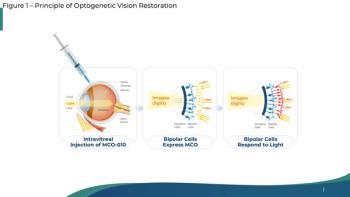
A mutation-agnostic optogenetic gene therapy is in development using multi-characteristic opsin (MCO) to sensitize the retinal bipolar cells to detect light.

News
The improvement of accessibility and education could drive changes in outcomes.
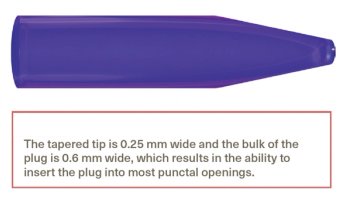
Larger 0.6-mm temporary plug features a tapered edge

ATSN-101, a gene therapy for GUCY2D-associated Leber congenital amaurosis, has demonstrated clinically meaningful improvements in vision at the highest dose with no drug-related serious adverse events 6 months post-treatment in ongoing Phase I/II clinical trial.

This is just one of many times the FDA has issued a warning to companies for the sale of unapproved ophthalmic products in 2023.

Procedure can reduce scleral biomechanical stiffness and rejuvenate dynamic range of focus.

An anchored matching-adjusted indirect comparison may aid therapeutic decision-making.
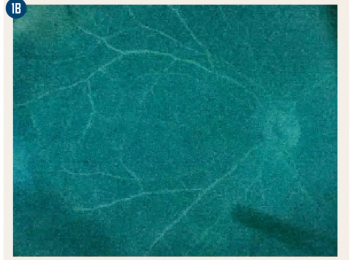
Developing technology may offer marked improvements in surgical precision
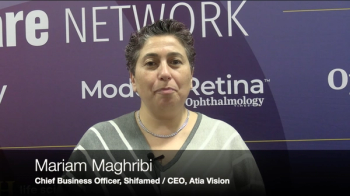
Mariam Maghribi, Chief Business Officer for Shifamed, spoke with Ophthalmology Times about the Atia Vision IOL device at this year's American Academy of Ophthalmology meeting.

EURETINA 2023 highlighted important DME and DR research and data from across the globe.

ATSN-101, a gene therapy for GUCY2D-associated Leber congenital amaurosis, has demonstrated clinically meaningful improvements in vision at the highest dose with no drug-related serious adverse events 6 months post-treatment in ongoing Phase I/II clinical trial.
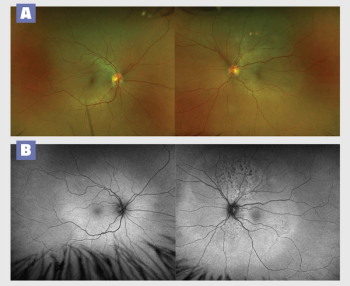
Nonetheless,BDUMP remains a rare condition with fewer than 60 cases documented in literature.
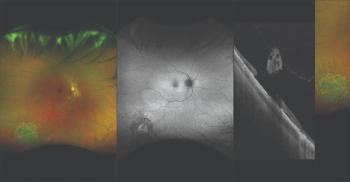
Technology is an option for evaluating, documenting certain types of retinal pathology.

Nick Curtis, CEO at LENSAR, met with Ophthalmology Times to discuss their co-development with Oertli on their phaco device and LENSAR's Ally treatment system at the American Academy of Ophthalmology.

Previously, the EMA had approved Eylea in a dosage of 2 mg. After considering the EMA’s recommendation, the European Commission will decide whether to issue final approval of the drug.


Peter J. McDonnell, MD, and Neda Shamie, MD, consider the transformative landscape of cataract surgery, highlighting the impact of small-aperture IOL technology. The conversation delves into its potential benefits, influence on the market, and the evolving role of cataract surgeons in guiding patients through advanced options.
The latest in Optic Relief from Ophthalmology Times

TRS01 has the potential to be the first-line treatment option for non-infectious uveitis and specifically uveitic glaucoma, according to the company.


The endorsement follows FDA approval in the United States this summer.

Rick Lewis, MD, Chief Medical Officer for ViaLase met with Ophthalmology Times to discuss completion of their important pivotal trial called VIA-002, which is a randomized prospective trial of the use of the ViaLase Laser versus SLT in adult patients with primary open angle glaucoma at the American Academy of Ophthalmology.
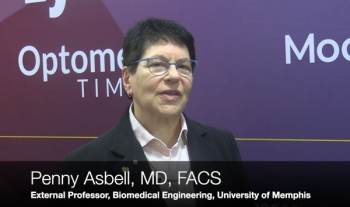
At this year's American Academy of Ophthalmology meeting in San Francisco, California, Penny Asbell, MD, FACS, presented results from the ARMOR Study

The company received marketing authorisation approval in the EU earlier this year