

Proactive strategies enhance comfort, adherence, and long-term glaucoma control
Proactive strategies enhance comfort, adherence, and long-term glaucoma control
Andrew Tatham, MD, MBA, FRCOphth, FEBO, outlines the role of micro-invasive glaucoma surgery alongside established glaucoma procedures, focusing on safety, patient selection, and future directions.

AI is reshaping clinical practice in retinal imaging and workflow optimization, according to Priv.-Doz. Dr. med. Jan H. Terheyden, FEBO.

Prof. Dr. Luís Abegão Pinto outlines how real-world datasets can improve artificial intelligence accuracy, reduce bias, and support clinical decision-making at scale.
Prof. Dr. med. Wolf A. Lagrèze highlights the clinical role, limitations, and future potential of optical coherence tomography in glaucoma and neuro-ophthalmic disease.

Commercial OCT maps five IPL sublayers; aging reduces contrast, hinting at earlier biomarkers for glaucoma and Alzheimer’s.

Ahead of the 2nd International Glaucoma Symposium in Mainz, Germany, Stephan Schulz of Heidelberg Engineering outlines how the program blends everyday clinical challenges with advances in AI, imaging, and surgery.

As the 2nd International Glaucoma Symposium approaches in Mainz, Germany, Stephan Schulz highlights how the program bridges everyday clinical needs with the latest advances in AI, imaging, and surgery.

DTI-ALPS MRI tracks glymphatic flow changes in IIH, enabling noninvasive diagnosis and earlier protection against permanent vision loss.

Tenpoint Therapeutics’ YUVEZZI, projected to launch in the US in Q2 2026, represents the first fixed-dose combination eye drop developed to enhance near vision through pupil modulation with once-daily administration.

Expected in the US in Q2 2026, YUVEZZI from Tenpoint Therapeutics is the first fixed-dose combination eye drop formulated to enhance near vision via pupil modulation with once-daily use.

Tenpoint Therapeutics’ YUVEZZI, expected in the US in Q2 2026, is the first fixed-dose combination drop designed to improve near vision via pupil modulation with once-daily dosing.

FDA feedback backs urcosimod’s Phase 2b/3 plan for neuropathic corneal pain, defining a meaningful pain endpoint in an unmet field.

Glaukos noted under the updated labeling, physicians may now re-administer iDose TR more than once in patients who maintain a healthy cornea, as defined by corneal endothelial cell density parameters.

Belite Bio completes enrollment in phase 2/3 DRAGON II clinical trial evaluating tinlarebant for the treatment of Stargardt disease type 1 (STGD1).

The trial is evaluating OPGx-MERTK gene therapy for MERTK-related retinitis pigmentosa (RP).

New research compares 7 HA dry eye drops; Ivizia and Thealoz Duo most closely match natural tear viscosity during blinking.
The trial will evaluate the safety and effectiveness of the company's titratable glaucoma therapy system, designed to optimize IOP reduction in patients undergoing glaucoma surgery.

According to the company, this meeting helped to provide a “clear path forward” for CBT-004 in its projected phase 3 study
AI reads infant retinal scans to flag lung disease early, while transient vision loss warns of looming stroke and heart events.

This enables the initiation of the EYETAC phase II clinical trial (NCT07285070) in patients with non-infectious anterior uveitis (NIAU).

From artificial intelligence and IOL innovation to biosimilars, geographic atrophy, and postoperative eye protection, Joshua Mali, MD, FASRS, shares what he believes will define ophthalmology in the year ahead.
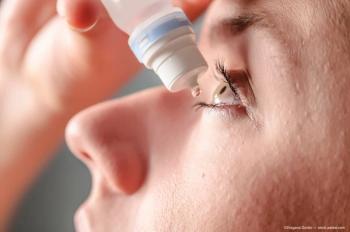
A study reveals that low-dose pilocarpine effectively reduces pupil size in presbyopic eyes with minimal impact on lens thickness and accommodation.

Optometrists track 2026 breakthroughs in dry eye therapies, AI-powered screening and referrals, and genetics-driven glaucoma risk tools that reshape patient care.
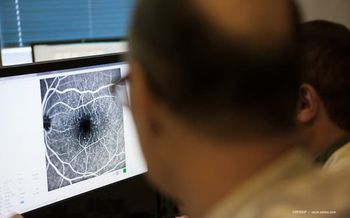
Imaging and biomarkers are driving earlier, more individualized GA treatment

This one-day symposium on January 31, 2026, will bring together clinicians and experts at the University Eye Clinic in Mainz to discuss optic neuropathies and diagnostic trends.
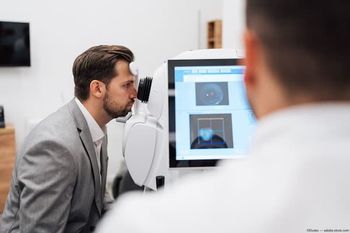
The January 31, 2026, conference in Mainz, Germany, will focus on advances in optic neuropathy diagnosis, artificial intelligence applications, and surgical perspectives
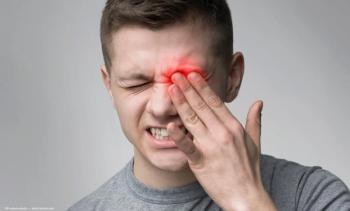
FDA authorizes compassionate use of urcosimod for neuropathic corneal pain, a condition that causes severe pain and sensitivity of the eyes, face, or head.

US and international glaucoma specialists will converge in Mainz, Germany, on 31 January 2026, to map the next era of glaucoma care—covering AI diagnostics, optic neuropathy evaluation, and modern surgical approaches.

James Tsai, MD, MBA, sheds light on what is in the offing for glaucoma specialists