

The recall is “due to potential safety concerns after FDA investigators found insanitary conditions.”
The recall is “due to potential safety concerns after FDA investigators found insanitary conditions.”

Two retina specialists participated in an Ophthalmology Times case-based roundtable discussion and shared their experiences using the anti-VEGF biosimilars, ranibizumab-eqrn and ranibizumab-nuna to manage retinal diseases.

The app is a tool aimed at allowing patients to measure their visual acuity at home by themselves.

According to the companies, the deal also includes Coherus’ CIMERLI biologics license application, ophthalmology sales and select field reimbursement teams. Coherus will now focus on its oncology business.

Evaluating injections of anti-VEGF drugs into the intra-anterior chamber may be a viable alternative, but further study is required.


Clinicians, researchers and stakeholders discussed establishing CVI diagnostic criteria, boosting awareness of CVI and creating a participant data registry

Among 85 trials representing 34 ophthalmic drugs, a study revealed more than of ophthalmology 75% of trials associated with FDA drug approvals conflated sex and gender, while more than two-thirds of these trials lacked any sex- and gender-based data analyses.

A new case-control study found that older people ages 70 and older living in South Korea’s urban areas were at a significantly higher risk for developing incident exudative age-related macular degeneration.

Researchers are unveiling results show previously unknown inherited genetic variants that contribute to primary open-angle glaucoma, the most common form of the disease.

Siloam Vision and Orbis team up to develop infrastructure to save the vision of premature infants.

The combined organization will support all aspects of ophthalmic clinical research, from front of the eye to back of the eye, leveraging an even larger team of experts with centuries of collective experience in ophthalmology.

Ophthalmology community continues to rally against efforts to expand the scope of optometrists in multiple states.

Kamuvudines are a new class of inflammasome inhibitor drugs as therapies for prevalent, degenerative diseases. The trial is evaluating SOM-401 (K8), a derivative of a nucleoside reverse transcriptase inhibitor.

A new case-control study found that older people ages 70 and older living in South Korea’s urban areas were at a significantly higher risk for developing incident exudative age-related macular degeneration.

Legislators in New Hampshire, Missouri, West Virginia are among states considering amendments to the regulation of optometry.

Bonnie An Henderson, MD, previews the EnVision Summit 2024, scheduled for February 16 to 19 in Puerto Rico, highlighting its family friendly atmosphere, diverse specialty coverage, and new sessions on leadership and health equity.
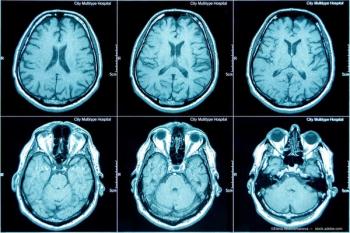
Consensus, awareness, and a CVI registry: top priorities of the trans-NIH event

Allen Ho, MD, FACS, FASRS, will make a presentation at the meeting, to be held virtually on February 3.

According to the company, ABBV-RGX-314 continues to be well tolerated in over 100 patients from three dose levels with no drug-related serious adverse events. The new data was presented at the Hawaiian Eye and Retina meeting in Maui, by John Pitcher, MD, and includes 6-month results from two additional dose level 3 cohorts.

Euan Thomson, Head of the Ophthalmology Strategic Business Unit and Head of the Digital Business Unit at Carl Zeiss Meditec, discusses plans for the company's vitreoretinal surgery workflows following announcement of DORC acquisition

Swiss Ophthalmology Innovation (Sophi) is a phaco technology providing mobility, simplicity, and safety within the operating field.

A strategic distribution partnership is expected to make Morrow’s eProgressive smart glasses available to consumers in the second quarter of 2024

TRS01 ophthalmic solution is targeted for the treatment of non-infectious uveitis, including uveitic glaucoma.


Roger A. Goldberg, MD, MBA, presents a post hoc analysis of the Phase 2/3 PHOTON trial, offering insights into the potential benefits of 8 mg aflibercept in managing fluid reaccumulation, particularly in cases of diabetic macular edema.

The UK-based Rayner announced the acquisition will enhance its portfolio in the cataract surgery space
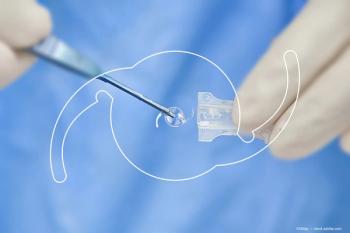
Patients are encouraged to choose the optimal technology for their particular situation.

A collaborative study between the Max Planck Institute of Psychiatry and the University of California, Irvine, explores the potential of pupillometry as a clinical test for identifying a specific subgroup of patients with major depressive disorder (MDD) characterized by anticipatory hypo-arousal related to anhedonia.

Principle findings showed that aflibercept 8 mg demonstrated similar improvements in BCVA and CST when compared to the 2 mg dose of aflibercept.