

Phase 1 multicenter study demonstrates early signs of efficacy.
Phase 1 multicenter study demonstrates early signs of efficacy.
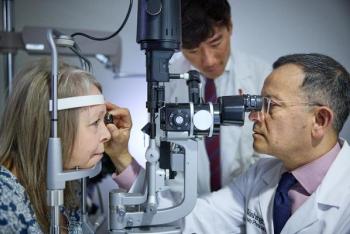
Researchers at Washington University School of Medicine in St. Louis for years have worked to understand the rare condition known as retinal vasculopathy with cerebral leukoencephalopathy and systemic manifestations.

The introduction of red/green/blue (RGB) color is a welcome addition to ultrawidefield imaging that will aid in the screening and detection of retinal diseases.

A team of Korean researchers has examined data from the Korean National Health Information Database to determine whether subjects with allergic diseases exhibited a higher incidence of primary open-angle glaucoma compared to a control group.

Technology brings new tools to those with low vision caused by AMD

Ophthalmologists graded AI bots' answers to questions from patients following cataract surgery

OCU410ST is a modifier gene therapy candidate being developed for Stargardt disease, which affects approximately 100,000 people in the United States and Europe combined.

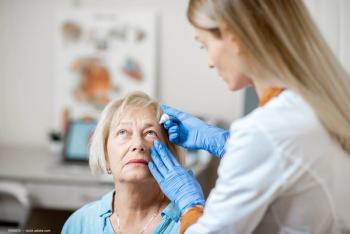
Optimizing corneal neurotization outcomes with cryopreserved amniotic membrane.

How retina specialists are approaching treatment of GA in clinic.
The US Food and Drug Administration issued designations for the allogeneic cell therapy candidate, a therapeutic for corneal oedema

The second and third required PPQ batches are scheduled, and should they meet specifications, the new TRIESENCE production process will be complete, allowing Harrow to relaunch during 2024.

A priority review has been granted with a PDUFA goal date set for December 17, 2024.
According to the company, AURN001 is the first allogeneic cell therapy to receive both FDA designations for the treatment of corneal edema secondary to corneal endothelial disease.

Researchers found that blocking the interaction between peptide and receptor using topical applications of naltrexone reverses dry eye symptoms in 5 days and restores tear fluid volumes to normal baseline.

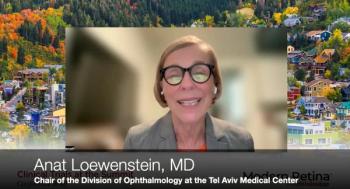
Anat Loewenstein, MD, spoke with Modern Retina about her presentation of AXPAXLI trial results and upcoming trials for this potential treatment, which she gave at Clinical Trials at the Summit meeting held in Park City, Utah on June 8, 2024.


Investigators looked to see if a large language model could provide safe, accurate, and readable information to patient inquiries about cataract surgery.

Sustainability, artificial intelligence and economic considerations are hot topics at this year’s meeting

According to the companies, the partnership will accelerate the development of lead product candidate, RO-104; a first-in-class tri-specific biologic for treating neovascular age-related macular degeneration.

This Los Angeles-based ophthalmologist and medical creator discusses the role of social media in combating misinformation and building health care practices.

The Type A meeting addressed questions the FDA had about the late-stage product candidate

Proactive communication and leveraging advanced, yet reliable, technologies to maximize efficiency are essential pillars of success.

We stand on the cusp of a new era in vitreoretinal surgery, one that has been marked by only a select few seminal innovations

Three approaches to examination provide a comprehensive overview

The retrospective real-world evaluation of the drug considered several important as-yet-unanswered questions
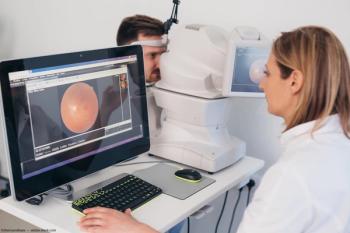
A key distinction between patients seen in the clinic vs those enrolled in clinical trials has to do with characteristics dictated by the trial’s inclusion/exclusion criteria.

This retrospective real-world evaluation of the drug considered a number of important as-yet-unanswered questions.