


Lynda Charters
Advertisement
Articles by Lynda Charters

Tirzepatide and semaglutide show favorable ocular safety compared to traditional weight loss formulations


Optomed Lumo launches a versatile handheld fundus camera, enhancing retinal imaging accessibility in diverse healthcare settings across the US.




Australian researchers highlighted the overlooked ocular risks surfers and divers face from UV and blue light exposure.


Authors noted it may be worthwhile to explore whether oral methylphenidate affects myopia by influencing dopamine levels

A Chinese study reveals that secondhand smoke exposure significantly increases the risk of early-onset myopia in children

The tool is designed to help with the application of mono-dose, dry eye eyedrop vials more easily and accurately.

Careful management of patient expectations is key to achieving optimal outcomes.


Both 6-month trials were randomized, controlled studies that evaluated PER-001 delivered in a slow-release, dissolvable implant injected intravitreally every 6 months.

A new study links urinary metabolites from organophosphorus pesticides to increased age-related macular degeneration risk.

Through the program, gene therapies are developed to treat patients with retinitis pigmentosa caused by pathogenic variants in the MERTK gene.

ST-100 shows promise as a fast-acting treatment for dry eye disease, offering rapid relief and unique collagen repair mechanisms.

Danegaptide is an oral therapy for early treatment of non-proliferative diabetic retinopathy (NPDR) and associated edema.

To conduct the study, the investigators obtained data on coffee consumption from genome‐wide association studies (GWAS) and the latest AMD‐related GWAS summary data from the Finngen consortium R11.
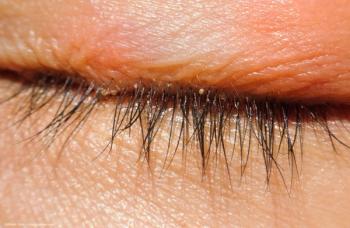
Timely diagnosis and personalized treatment are key to improving visual outcomes.
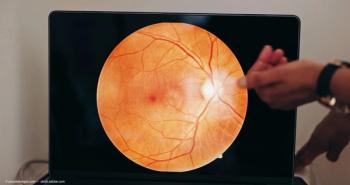
A study reveals significant retinal vessel changes in diabetic retinopathy, highlighting the need for early detection methods to prevent vision loss.

The LYNX LIO is the latest generation of pattern scanning lasers that were first introduced in 2006.

The rationale for the study under discussion is that the experience level of the operating surgeon is a potential factor affecting the outcomes of all ophthalmic procedures, including ISBCS

Compared with penicillin, investigators reported no significant differences in the incidence of ophthalmologic manifestations among patients treated with ceftriaxone.

Cabozantinib is a vascular endothelial growth factor receptor tyrosine kinase inhibitor, a drug used as a therapy for several malignancies.



Retinal vascular change or degeneration already has been associated with Alzheimer and Parkinson disease, and the findings suggest that neurologic diseases impact ocular health.

The drug has been reported previously to cause neuropathy and hypersensitivity reactions in breast cancer patients.
Advertisement
Advertisement
Advertisement
Trending on Ophthalmology Times - Clinical Insights for Eye Specialists
1
Eyes on May 2026: A month of durable therapies, a regulatory reversal, and rethought echanisms
2
TECNIS PureSee IOL launches in US following FDA approval for cataract surgery
3
Phase 3 NORTHSTAR trial launches for gildeuretinol in stargardt disease
4
Beyond the basics: John Berdahl, MD, on AI-driven IOL planning, PCO prevention, and lessons from the mission field
5