


The study evaluated 14 patients that were treated with cultivated autologous limbal epithelial cells (CALEC) and followed them for 18 months.
The study evaluated 14 patients that were treated with cultivated autologous limbal epithelial cells (CALEC) and followed them for 18 months.
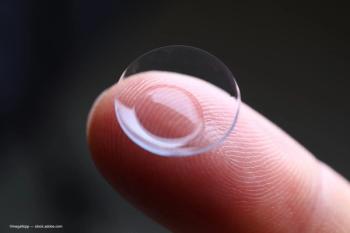
The system aids in the orthokeratology lens design process by syncing directly with topographers to create precise lens designs for the treatment of myopia in the matter of seconds.

Key parameters captured by the module include disc area, cup area, cup volume, minimal cup depth, maximum cup depth, cup/disc area ratio, rim absence angle, and disc-damage likelihood scale.

NCX 470 0.1% achieved an intraocular pressure of less than or equal to 18 mmHg compared to latanoprost 0.005% in the trial.

At the EnVision Summit 2025, medical students were given awards for best poster presentation. In exclusive interviews, they spoke with Ophthalmology Times about their award-winning posters and research.

At the Envision Summit 2025 in San Juan, Puerto Rico, Amy Zhang, MD, discussed the importance of ergonomics in the operating room.

At the EnVision Summit 2025 in San Juan, Puerto Rico, Tania Tai, Lucy Shen, and Shivani Kamat all gave insight into complications they have seen while performing glaucoma surgery.

Zervimesine is an investigational oral, once-daily pill being developed for the treatment of CNS diseases, including Alzheimer disease and dementia with Lewy bodies.

The announcement comes after a request was made by the Canadian Investment Regulatory Organization (CIRO) to explore the possibility of a sale.

The NPI-001 (N-acetylcysteine amide) tablets are a proprietary investigational therapy for the treatment of patients with retinitis pigmentosa.

Linsitinib is being evaluated in patients with active, moderate to severe thyroid eye disease (TED).
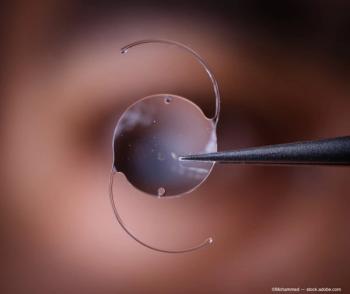
RayTrace has been utilized globally by surgeons since 2008.

The company will prioritize its cash in funding its ongoing Phase 1/2 PRISM clinical trial and Phase 3 4FRONT program.


The clinical trial successfully met pre-specified visual acuity primary endpoints in both the US and European Union (EU)/United Kingdom (UK) with statistically significant near vision improvements recorded at all time points over 8 hours
Epioxa is a next-generation corneal cross-linking iLink therapy for the treatment of keratoconus.
Astellas said in a press release that the FDA comments in the CRL relate to proposed labeling language, not safety.

The companies announced that they will be working to develop SGN’s micellar nanoparticle platform to be used with Eyenovia’s Optejet dispenser.

The trial aims to evaluate the efficacy, safety, and tolerability of sterile ophthalmic ointment (AZR-MD-001) 0.5% compared to vehicle in patients with abnormal meibomian gland function (MGD) and associated symptoms of dry eye disease (DED)

The gel is a cross-linked hyaluronic acid derivative and has been cleared by the FDA to temporarily block tear drainage by the occlusion of the canalicular system.

Data from the trial found that MyopiaX proved clinically safe and tolerable, in addition to showing clinical effect on the rate of myopia progression.
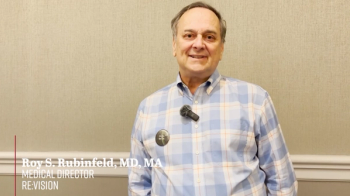
Roy Rubinfeld, MD, MA, discussed EpiSmart cross-linking for keratoconus and the ongoing trials and results at the IKA 2024 Symposium.
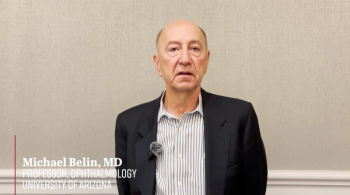
At the IKA 2024 Symposium, Michael Belin, MD, discussed the ABCD Progression Display he developed to classify disease severity and help diagnose keratoconus earlier.

Jennifer Harthan, OD, FAAO, FSLS, shared the importance of early diagnostics and pediatric screening of keratoconus at the IKA 2024 Symposium.

Shelley Cutler, OD, FAAO, gives an overview of how keratoconus diagnosis and treatment over the past 40 years has changed and evolved as well as some key insights from the IKA 2024 Symposium.

The company reported that statistically significant data was found supporting ANX007’s ability to provide vision loss protection in patients with geographic atrophy.
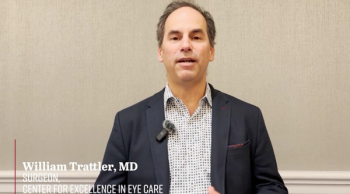
William Trattler, MD, talked about his session at the IKA 2024 Symposium that discussed the progression of keratoconus in patients and just how likely it is for them to progress and the importance of following up with these patients.

Kourtney Houser, MD, and Kendall Donaldson, MD, MS, had a session where they talked about the early diagnosis of keratoconus and key indicators in tomography that might help diagnose keratoconus before vision loss.

While it fell short of the primary endpoint of improvement of non-proliferative diabetic retinopathy (NPDR) of at least 2 Diabetic Retinopathy Severity Scale (DRSS) levels as of week 36, DURAVYU did demonstrate stable or improved disease severity with reduced rates of NPDR in 9 months.
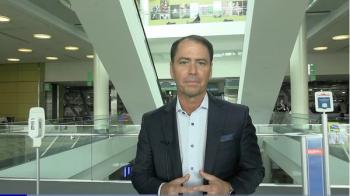
Anthony Wallace, US Surgical vice president and general manager for Bausch + Lomb, reviews the latest advancements and updates in an interview with Ophthalmology Times.