

The topical ophthalmic solution is preservative-free and includes dual lubricants—hyaluronic acid and hydroxypropyl methylcellulose—for patient comfort.

The topical ophthalmic solution is preservative-free and includes dual lubricants—hyaluronic acid and hydroxypropyl methylcellulose—for patient comfort.

According to the company, this is the first and only single-use kit on the market that includes the diagnostic lens.

Additionally, the FDA approved a monthly dosing option for some patients who may benefit from resuming this dosing schedule across approved indications.

EyePoint Pharmaceuticals' DURAVYU trials for wet AMD receive positive DSMC review, highlighting safety and potential for improved patient outcomes.

The procedure was conducted as part of the company’s ongoing phase 1 clinical trial.


The acquisition includes product candidates MELT-210, MELT-300, and MELT-400 based on the Zydis ODT (oral dissolving tablet) drug delivery platform.

CoTx-101 is intended for the treatment of retinal vascular diseases, such as wet age-related macular degeneration (wAMD) and diabetic macular edema (DME).

RUSH2A is an ongoing natural history study for patients with mutations in the USH2A gene causing Usher syndrome type 2A or nonsyndromic retinitis pigmentosa (RP).

Best disease, also known as vitelliform macular dystrophy, is a rare, inherited retinal condition causing macular degeneration by mutations in the BEST1 gene, leading to progressive vision loss and potentially blindness.

Hipsley shares insights into ocular biomechanics and dynamic range of focus, that can help the field to work toward vision restoration and increase eye health.

STAAR Surgical extends its merger timeline with Alcon, inviting third-party proposals to maximize stockholder value amid ongoing opposition from Broadwood Partners.

Discover how RGB technology enhances eye disease diagnosis, improving accuracy and efficiency in clinical practice with advanced imaging techniques.
Advanced imaging technologies like intraoperative OCT and heads-up displays enhance surgical precision and patient outcomes in retina surgery.

This resubmission follows the complete response letter (CRL) Outlook received in August 2025.

New five-year data reveal SYFOVRE significantly delays geographic atrophy progression, enhancing understanding of age-related macular degeneration treatment.
A study reveals that cryopreserved amniotic membrane enhances recovery and reduces infection risk in post-corneal cross-linking patients.

Second-year medical student Rishika Garg, from the University of Oklahoma College of Medicine in Oklahoma City, shares insights from a nationwide analysis revealing inconsistencies in ophthalmology residency leave policies.

Surgeons explore innovative cataract surgery techniques that significantly lower intraocular pressure while ensuring patient safety and comfort.

In the study, authors investigated the natural history of GA lesion incidence rates and analyzed potential risk factors for faster incidence of GA lesions.

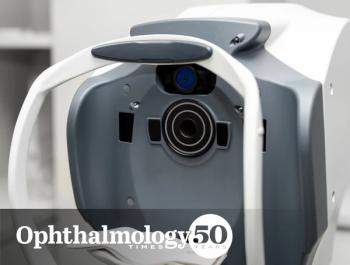

The BIM-IOL System is for the treatment of elevated IOP in patients with mild-to-moderate open-angle glaucoma (OAG) or ocular hypertension (OHT).

Ophthalmologists discuss how advanced imaging, MIGS, and home monitoring are reshaping decision-making in complex glaucoma cases.

This retrospective cohort study used a large US administrative claims database to identify patients with a diagnosis of seborrheic dermatitis from January 1, 2016, through June 30, 2022.

Anat Loewenstein, MD, discusses the transformative impact of home OCT and AI on monitoring retinal diseases at AAO 2025.

Ophthalmologists weigh in on evolving diagnostic tools, emerging therapies, and practical approaches for managing today’s most challenging ocular-surface cases.

Discover the latest advancements in laser vision correction, including next-gen LASIK techniques that achieve unprecedented visual outcomes.

Ophthalmologists weigh in on how the extended-duration therapy may reduce treatment burden for patients with wet age-related macular degeneration.