
The International Headache Society has provided criteria for visual snow syndrome (VSS).

The International Headache Society has provided criteria for visual snow syndrome (VSS).

Observing potential cases highlights the importance of monitoring and reporting, contributing to a comprehensive understanding of therapeutic effects.
Retina specialists Giuseppe Querques, MD, PhD, and Paolo Lanzetta, MD, debate at the Congress on Controversies in Ophthalmology

The good news for patients is that GA is transitioning from an untreatable disease to a potentially treatable one with development of new therapies to reduce the growth rate, and use of anti-complement therapies have caused the growth rate of GA lesions to decrease.

Ophthalmologists can educate their patients about the importance of using certified solar viewing glasses or other safe viewing methods.

When we discuss trial participation with patients, we stress that the goal of these studies is to obtain better visual outcomes and ease the treatment burden.
At this year's Congress on Controversies in Ophthalmology, keynote speaker Ursula Schmidt-Erfurth, MD, addressed the clinical use of artificial intelligence

OCU410 is a modifier gene therapy candidate being developed for geographic atrophy, an advanced stage of dry age related macular degeneration.

The collaboration combines Clario's transformative technology with Cleveland Clinic's market-leading imaging expertise and AI-enabled analysis to help bring new therapies to patients, faster.
The trial evaluated nesvategrast (OTT166 5%) eye drops in patients with diabetic retinopathy.

Advances in virtual reality and AI are helping those with AMD and low vision.

Research indicates smoking increases risk of AMD, cataracts and glaucoma

Ferrone’s role will be effective as of March 18, 2024.

In the study, published in Nature Biotechnology, researchers used their new system to correct disease-causing mutations in the eyes of two mouse models of genetic blindness, partially restoring their vision.
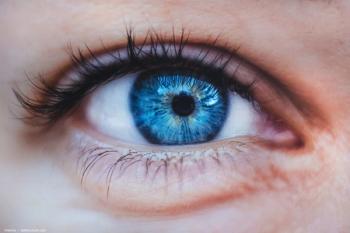
Results show Eylea HD extended dosing regimens were non-inferior to aflibercept 2 mg injection (Eylea) for both the treatment of wet age-related macular degeneration (wAMD) and diabetic macular edema (DME).

The study showed that a 12-day treatment of KIO-101 topically at multiple doses was well tolerated in healthy volunteers and patients with inflammation of the eye.

The company has divested its Coherus Ophthalmology subsidiary to Sandoz, Inc. for upfront all-cash consideration of $170 million.


Investigators believe that AMD and cancer may have similar risk factors in common.

ChatGPT-4 (OpenAI) had an overall “fair” performance when answering multiple-choice ophthalmic questions unrelated to multifocal imaging.
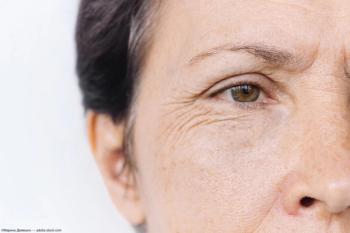
Early detection of the disease is key to optimal patient outcomes

Day 2 program of the 2024 COPHy conference.

The approval marks the first new steroid on the ophthalmic market in more than 15 years.

The 2024 15th annual Controversies in Ophthalmology Congress will convene March 15 and 16 in Athens, Greece.

The supplement is specifically crafted to promote healthy intraocular pressure (IOP), nurturing the well-being of retinal ganglion cells, and sustain the health of the retinal nerve fiber layer while boosting memory and concentration.
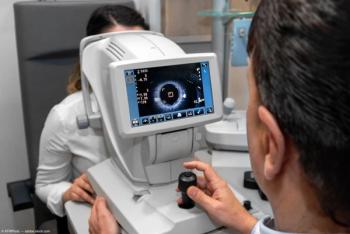
Mobile cameras allow University of Colorado ophthalmology residents working in hospital settings to conduct more comprehensive and efficient patient evaluations.
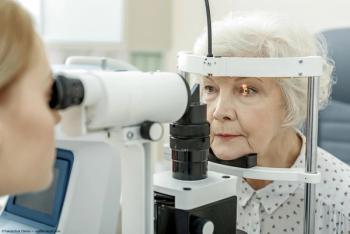
According to the company, its proprietary non-viral gene therapy platform with minimally invasive delivery technology is providing long lasting gene expression and favorable distribution in the retina.


Lowe syndrome, a genetic disease, affects about 1 in 500,000 people in the general population.