

The data was included in the paper, titled “Sozinibercept Combination Therapy for Neovascular Age-Related Macular Degeneration: Phase 2b Study Subgroup Analysis by Lesion Type.”

The data was included in the paper, titled “Sozinibercept Combination Therapy for Neovascular Age-Related Macular Degeneration: Phase 2b Study Subgroup Analysis by Lesion Type.”

Ixo-vec utilizes a proprietary vector capsid, AAV.7m8, carrying an aflibercept coding sequence under the control of a proprietary expression cassette and is designed to be administered as a one-time intravitreal injection.

PYK-2101 is a first-in-class biodegradable retinal hydrogel sealant.

Apellis Pharmaceuticals and EyePoint Pharmaceuticals are both scheduled to present at the conference.


If approved, the drug will be branded as LYTENAVA.

This follows successful Phase 1 results, which demonstrated a favorable safety profile for BI 771716 across both single and multiple intravitreal doses.

The company also reported a positive outcome of an analysis of masked data from its ongoing MAGNIFY Phase 2 trial for zervimesine in adults with GA.

This device is designed to assist healthcare professionals in analyzing fundus images for the early detection of key retinal conditions.

Researchers indicated that pediatric patients with Leber congenital amaurosis experienced improvements in vision.

The intent is that the board provide strategic guidance and expert insights to support the development of the company’s programs and science.

The biosimilar to aflibercept (Eylea) had already received approval in the EU and US.

RPESC-RPE-4W is a cell product derived from adult retinal pigment epithelial stem cells.

Risk factors vary in both short-term and long-term periods following Boston Type 1 keratoprosthesis surgery.

Arctic Vision has a commercial collaboration agreement with Santen Pharmaceutical Co., Ltd. to commercialize ARVN001 for the treatment of UME.

The researchers successfully tested the robot using enucleated pig eyes.
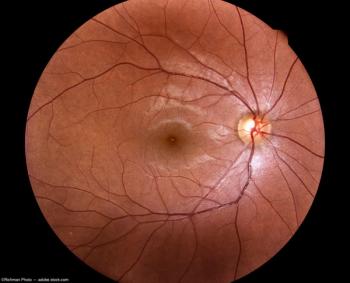
The imaging system is designed to enable secure, real-time remote monitoring around the clock, from virtually any location.

This research project, titled, “A Generalizable Deep Learning Platform for Unifying Quantification of Experimental Autoimmune Uveitis.”

Prevent Blindness will be sharing a variety of free educational resources to the public and professionals during the awareness week, which will be held February 24, 2025, through March 2, 2025.

The UK-based company will debut the tool, called Dr.Noon CVD, at two conferences in March


AVT06 is Alvotech’s proposed biosimilar to Eylea (aflibercept) 2mg.


The topline results from the COAST trial is anticipated in early Q2 of 2025.

PST-611, a first in class non-viral vectorized therapy expressing human transferrin, a highly potent iron regulator.

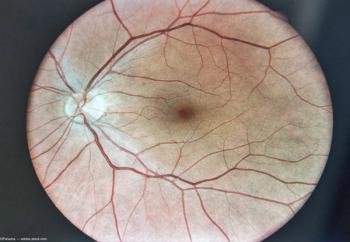
MonacoPro, the next evolution of Monaco from Optos, retains the powerful ultra-widefield SLO and spectral domain imaging while adding additional key product features.

OCU410 is a novel multifunctional modifier gene therapy candidate that targets multiple pathways associated with GA.


The submission deadline for both the 2025 Jenny Pomeroy Award for Excellence in Vision and Public Health and the sixth annual Rising Visionary Award is Monday, March 10, 2025, at noon ET.