

The trial evaluated sozinibercept (2 mg) every 4 or 8 weeks in combination with aflibercept (2 mg), as per label, every 8 weeks after a loading phase for the treatment of wet AMD.

The trial evaluated sozinibercept (2 mg) every 4 or 8 weeks in combination with aflibercept (2 mg), as per label, every 8 weeks after a loading phase for the treatment of wet AMD.

UBX1325 is a novel BCL-xL inhibitor designed to eliminate senescent cells in diabetic retinal blood vessels, while leaving healthy ones intact.


A retrospective study showed that the gender of the ophthalmologist influenced the amount of communication with the patient, and that the pandemic had an impact.

After review by the Data and Safety Monitoring Board, the dosing of OCU200 in patients with diabetic macular edema (DME) will continue.

The recent agreement with Cipla adds to the list of partnerships Formosa has formed for APP13007.

Investigators advised clinicians of the potential for dystrophies that mimic age-related macular degeneration and other atrophic macular pathologies to be incorrectly diagnosed, which can impact treatment.

The investigators retrospectively evaluated 126 consecutive treatment-naïve nAMD patients (126 eyes) who received a loading dose of a minimum of three monthly intravitreal aflibercept injections that was followed by a TAE.

Among the promising areas of retinal disease research are innovative approaches targeting pan-vascular endothelial growth factor inhibition.

The findings of this model support KIO-104 as a promising therapeutic candidate for both the prevention and treatment of PVR.

Maria Vittoria Cicinelli, MD, Denise Loya-Garcia, MD, PhD, and Vishal Raval, MD, were announced as the recipients and will receive a $3,000 honorarium.

The closing of the merger is expected to occur as soon as practicable, subject to the satisfaction or waiver of the remaining customary closing conditions.
Systemic evaluation key to the cause of the detachments

The award honors Ludwig von Sallmann, MD, a “distinguished international ophthalmologist and ophthalmic investigator whose contributions greatly increased the basic and clinical understanding of vision and ophthalmology.”

SpliceBio continues to actively enroll patients in the ASTRA study and accompanying POLARIS trial

Yu reviewed the benefits and limitations of various electrophysiologic technologies in a diverse group of inflammatory conditions affecting the retina and optic nerve.

The ReNEW study for dry AMD is evaluating the efficacy, safety, and pharmacokinetics of daily subcutaneous injections of elamipretide, wa first-in-class mitochondria-targeted investigational therapeutic.

Tarcocimab is an investigational anti-VEGF therapy built on Kodiak's proprietary antibody biopolymer conjugate (ABC) platform.

Hashad is a retinal specialist with over 25 years of leadership experience in global research and development.
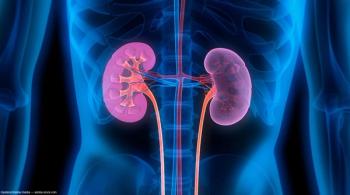
Additionally, the prognosis of macular edema may help clinicians evaluate renal function, investigators reported
4D-150 is a potential backbone therapy that is designed to provide multi-year sustained delivery of anti-VEGF (aflibercept and anti-VEGF-C) from the retina with a single, safe, intravitreal injection.

The event will include presentations on artificial intelligence, ocular imaging and surgical topics.

A total of 43 patients who recovered from the SARS-CoV-2 infection with mild pneumonia were included along with 45 healthy individuals.

Visual acuity with both approaches was comparable and the device was efficacious and safe.
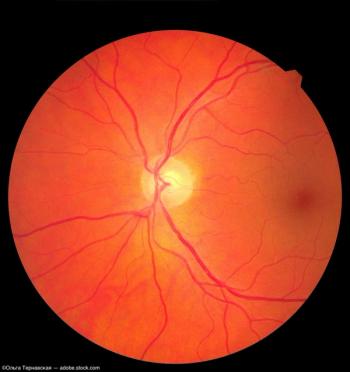
This database could enhance the workflow of eye care professionals with its in-depth reference data for retinal layer thickness and optic nerve head metrics.

The findings were from 6 patients in the first low-dose cohort of the ongoing first-in-human trial (NCT04627428).

Retina Resource was developed by retina specialists for retina specialists.

ENCELTO is the first and only FDA-approved treatment for MacTel.

ABI-201 aims to prevent dry AMD and other retinal disorders in patients.

The modifier gene therapies from Ocugen target geographic atrophy and Stargardt disease.