

AAVB-039 advances gene therapy for Stargardt disease, aiming for innovative treatments for inherited retinal disorders.

AAVB-039 advances gene therapy for Stargardt disease, aiming for innovative treatments for inherited retinal disorders.

Sanofi's SAR446597 receives FDA fast track designation, offering a promising one-time gene therapy for geographic atrophy and reducing treatment frequency.

New tariffs threaten the optical industry, prompting urgent reevaluation of sourcing strategies and pricing as deadlines approach for affected countries.

The completion of the full BLA submission is anticipated in early 2026 and is eligible for priority review under the program’s fast-track designation.

RetinalGeniX partners with Labcorp to enhance genetic testing and retinal imaging, aiming for early disease detection and improved patient care.

Catch up on this week's highlights in retina.

A recent study reveals cannabis use may lower the risk of proliferative vitreoretinopathy after retinal detachment repair, suggesting potential therapeutic benefits.

EYP-1901 shows promising results in reducing treatment burden for diabetic macular edema, offering sustained improvements in vision and safety.

The VISTA trial is evaluating and comparing 2 dose levels of laru-zova with an untreated control group for the treatment of X-linked retinitis pigmentosa (XLRP).

Atsena Therapeutics expands its ATSN-201 trial for X-linked retinoschisis, a step toward the first gene therapy treatment.

How artificial intelligence could enhance clinical trials.

A new study links urinary metabolites from organophosphorus pesticides to increased age-related macular degeneration risk.

A hope for reducing treatment burden for wet age-related macular degeneration with a sustained-release vorolanib intravitreal insert
LumiThera’s PBM is the only device that has demonstrated meaningful vision improvement compared to baseline for people living with early to intermediate dry AMD.

Research from the iMIND lab at Duke University.

Boehringer Ingelheim initiates THULITE study, exploring an oral treatment for diabetic macular edema, aimed to improve patient care and convenience.
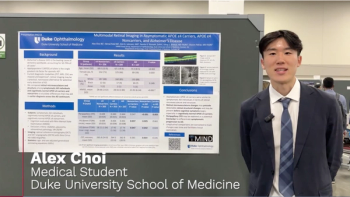
Retinal imaging and the future of early Alzheimer diagnosis.

New clinical trials reveal PER-001 as a new treatment for glaucoma and diabetic retinopathy, showing significant vision improvements and safety.
Catch up on this week's highlights in retina.

The study will be led by principal investigator professor Noemi Lois, MD, PhD, FRCS(Ed), FRCOphth, at Queen’s University Belfast, in over 20 clinical sites, and plans to enroll 264 patients across the UK with severe DME.
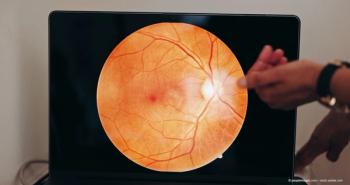
Recapping a recent conversation led by Dilsher S. Dhoot, MD.

Patients express mixed feelings about AI in healthcare, favoring its use for documentation and administrative tasks while demanding transparency and safety standards.

Cell and gene therapies in development for unmet needs.

Through the program, gene therapies are developed to treat patients with retinitis pigmentosa caused by pathogenic variants in the MERTK gene.

Patients are highly motivated to slow disease progression with GA drugs and healthy lifestyle.

Nanoscope Therapeutics establishes a Vision Advisory Committee to enhance retinal care and drive innovative therapies for vision restoration.

Catch up on this week's highlights in retina.

Phase 1/2 interim results highlight real-world functional enhancements in patients with severe LCA5-related Leber congenital amaurosis.

Insights on injection technique and the future potential of SCS treatments.

PYC Therapeutics advances VP-001 for retinitis pigmentosa, securing FDA guidance for its upcoming registrational trial design and study parameters.