
Christopher E. Starr, MD, FACS, highlights diagnostic gaps in dry eye, emphasizing neuropathic corneal pain and reviewing emerging therapies and pipeline treatments in ocular surface disease.
Christopher E. Starr, MD, FACS, highlights diagnostic gaps in dry eye, emphasizing neuropathic corneal pain and reviewing emerging therapies and pipeline treatments in ocular surface disease.
A tissue-sparing technique using a triple-layer decellularized basement membrane is associated with shorter OR time, rapid recovery, and no reported recurrences in a retrospective series.
Quesada discusses a robotic femtosecond laser platform for LASIK, focusing on flap accuracy, stromal bed precision, and the role of integrated OCT imaging.
An analysis of lifitegrast trial subgroups showed that earlier treatment and milder baseline disease were associated with faster and greater symptom improvement.
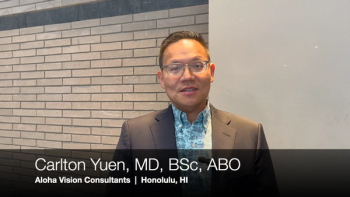
Combining peristaltic and Venturi pump technology during phacoemulsification may reduce ultrasound time and support endothelial preservation.
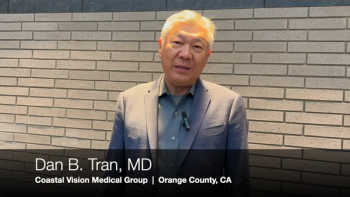
Dan B. Tran, MD, compared refractive accuracy, cylinder correction, and postoperative adjustment rates between femtosecond laser–assisted and manual capsulotomy in Light Adjustable Lens cases.
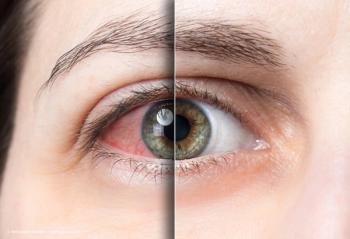
Several presentations at ASCRS 2026 spotlight faster dry eye relief and smarter pre-operative care, showing lifitegrast and new drugs can ease symptoms quickly and improve cataract biometry.

Mt. Sinai to introduce the miDOC system at the ASCRS annual meeting
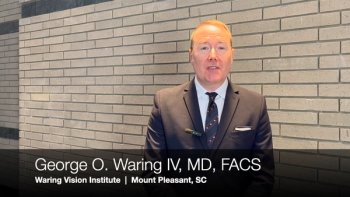
George O. Waring IV, MD, FACS, discussed how “tolerance” may expand the QRS functional vision model, with new data on IOL performance in residual astigmatism and defocus.

ASCRS 2026 data show smarter EDOF and toric choices after LASIK/PRK, plus reverse optic capture to relieve negative dysphotopsia.
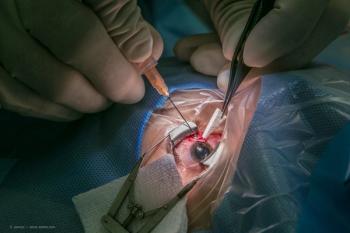
A trio of ASCRS presentations collectively offer insight to surgeons, suggesting that glaucoma drops harm meibomian glands, while combining cataract surgery with MIGS can boost long-term IOP control.
Oluwatosin U. Smith, MD, provides an overview of angle-based techniques, cyclodialysis cleft repair, and minimally invasive approaches to glaucoma surgical complications.
Expanded guidance incorporates advanced diagnostics and reinforces treatment of conditions such as Demodex blepharitis and neuropathic pain, explains Christopher E. Starr, MD, FACS.
Chang described how the ASCRS Functional Vision Working Group is proposing a structured framework centered on visual quality, visual range, and visual symptoms to guide lens classification.
Ophthalmologists discuss the most impactful advancements reshaping patient care over five decades.
In honor of Ophthalmology Times’ 50th anniversary, anterior segment surgeons attending ASCRS 2025 weigh in on the innovations that defined modern ophthalmology.
Researchers share that perfluorohexyloctane eye drops offer rapid relief for dry eye disease, enhancing patient comfort before cataract surgery.
At the 2025 ASCRS meeting, Dr. Sarkisian presented 3-year data on the iDose TR from the FDA clinical trial.
Investigators were surprised by the outcome of a comparison between the Eyhance and enVista IOLs in low-light conditions.
Early improvements in OSDI scores and tear osmolarity reinforce lifitegrast’s role in managing inflammation-driven dry eye disease.

A significant proportion of cataract surgery patients exhibit hyperosmolar tear film both before and 1 month after surgery, underscoring preoperative screening and postoperative management to optimize visual outcomes.

Ayres shares insights on using a trocar-free, 27-gauge vitrector to improve surgeon comfort and patient safety in anterior vitrectomy

At the 2025 ASCRS meeting, Dr Ang said small aperture IOLs can benefit all patients, especially those with complex corneas or who have undergone previous corneal refractive surgery


A machine learning model incorporating treated astigmatism and nuanced inputs is advancing the precision and personalization of arcuate keratotomy planning
Perfluorohexyloctane demonstrated rapid symptom relief in patients with dry eye, with effects reported as early as 5 minutes after dosing.

Discover how real-world evidence shapes cataract surgery practices, highlighting user satisfaction with enhanced monofocal IOLs at the 2025 ASCRS Annual Meeting.

Discover how dropless cataract surgery enhances patient comfort and outcomes, reducing the need for eye drops and improving recovery efficiency.

Glaucoma management is shifting toward earlier, drop-sparing interventions using sustained drug delivery and advanced laser technologies that improve outcomes and quality of life for both patients and physicians.
Exploring how oral sedation and office-based surgery can enhance efficiency and patient experience