

Clinical Forums
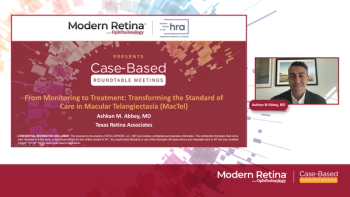
A panelist discusses how advances in imaging, patient-centered decision-making, and the introduction of NT-501 therapy are redefining the diagnosis and treatment of macular telangiectasia type 2—emphasizing early intervention, personalized care, and practical implementation strategies to optimize visual outcomes.
Experts share real-world strategies for managing geographic atrophy, emphasizing early intervention, individualized imaging-guided treatment, and patient education to slow disease progression and preserve vision.
A panelist discusses how retina specialists manage geographic atrophy and neovascular age-related macular degeneration by combining clinical trial data, real-world evidence, and patient-centered approaches—including treatment personalization, emerging therapies, disease monitoring, and transparent communication—to optimize outcomes, support adherence, and preserve vision.
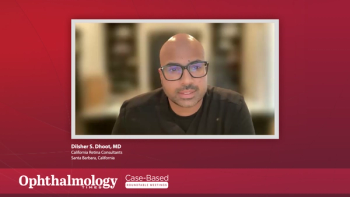
Dilsher S. Dhoot, MD, discusses how second-generation anti-VEGF therapies like aflibercept 8 mg and faricimab demonstrate superior efficacy and durability in treating neovascular age-related macular degeneration (nAMD) and diabetic macular edema (DME) cases, allowing treatment intervals to extend by 2 to 3 weeks, improving anatomical outcomes, and reducing patient treatment burden compared with first-generation agents.
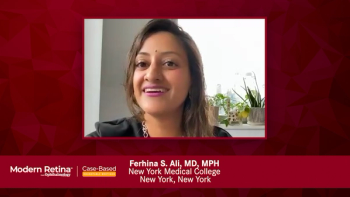
Ferhina S. Ali, MD, MPH, discusses how emerging treatments and tailored management strategies can improve the care of patients with geographic atrophy in age-related macular degeneration, emphasizing the importance of patient education and individualized treatment plans.
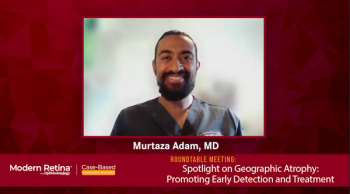
Murtaza Adam, MD, reviews the complement-based treatments for geographic atrophy (GA), discusses factors to consider before starting treatment, and shares insights from real-world cases in his practice to guide effective management strategies.
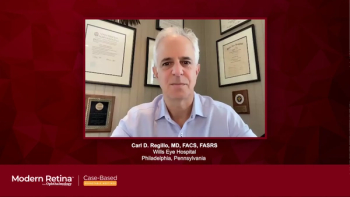
Dr. Carl D. Regillo, MD, FACS, FASRS provides a comprehensive overview of geographic atrophy, covering its diagnosis, current complement-based treatments, and insights from real-world cases in his practice to guide effective management strategies.
David Eichenbaum, MD, FASRS shares successful clinical experiences treating retinal diseases with second generation agents aflibercept 8 mg and faricimab, emphasizing improvements in visual acuity, anatomical features, and quality of life for patients.
Advertisement
Advertisement