Finding a job after ophthalmology training can be a lot like dating: it’s rare to find your perfect match on the first try. For Dr. Steven Christiansen and Dr. Arvind Saini, it took a few tries before they landed the job opportunity that aligned their career goals and personal values.
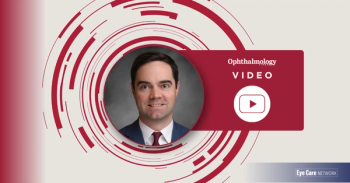
In this episode of Real World Ophthalmology Podcast, Dr. Christiansen and Dr. Saini join co-hosts Dr. Shani Esparaz and Dr. Lisa Nijm on their journeys to starting a solo ophthalmology practice – and why it was the best decision they ever made.
Quick Takeaways:
· Starting your own practice offers autonomy and quality care, but comes with uncertainty and financial risks.
· Prioritize defining your patient demographic and location, while building relationships to drive referrals for your practice.
· Cultivating connections, especially with local primary care providers, is key for practice growth through word-of-mouth referrals.
Dr. Christiansen describes the early years of his career as unpredictable. After he completed his fellowship training in retina, he moved his family out to Colorado to start his first attending job. He quickly learned the position was not for him; however, given the noncompete clause in his contract, he was forced to uproot his family just a few months later. He started a locum job in Oregon, which he says gave him the time to reflect on his goals and decide what he wanted out of his career. After a few months, he found himself back in Colorado – this time, starting his own solo retina practice.
“It was the uncertainty of joining another group,” Christiansen says on what ultimately pushed him to starting a solo practice. “If I failed, I wanted it to be my fault and not at the will of someone else.”
Dr. Saini describes a similar experience after his training. Today, he runs Integrity Eye, a private practice in California with 3 locations. He says that starting a private practice is really about the journey – there are many ups and downs, and you have to be ready to constantly adapt to change.
“You have to enjoy the struggle and the process of building something,” Saini says. “It’s about you and your sense of self,” whatever that looks like to you.